From pied-à-terre squeeze to amsterdam extended stay hotel opportunity
Amsterdam is quietly rewriting the rules of urban escapes for high end travelers. As the city tightens permits for second homes and restricts short term rentals, the Amsterdam extended stay hotel landscape is becoming the most strategic way to secure a refined base for a long stay. For executives used to private apartments, this shift in Amsterdam city policy is less a loss of freedom and more a prompt to rethink where and how they stay.
The new regime is clear and firm; owners of a second home in Amsterdam now need a specific permit and are limited to one pied-à-terre, while enforcement against illegal holiday rentals has intensified across central canals and emerging districts such as Amsterdam West. According to the municipality’s 2021–2023 housing and holiday rental regulations (Amsterdam holiday rental rules 2021–2023 and related policy notes), unregistered short lets can trigger substantial fines and forced closure, which has reduced the pool of casual apartments and pushed more demand toward professionally managed accommodation. That means fewer informal options and more pressure on hotels Amsterdam wide, lifting occupancy and average daily price, especially in extended stay and long stay segments. For business travelers planning a blended trip that runs from boardroom to weekend cycling, the smartest move is to lock in stay rates early at a well run long stay hotel with fully equipped suites and reliable facilities.
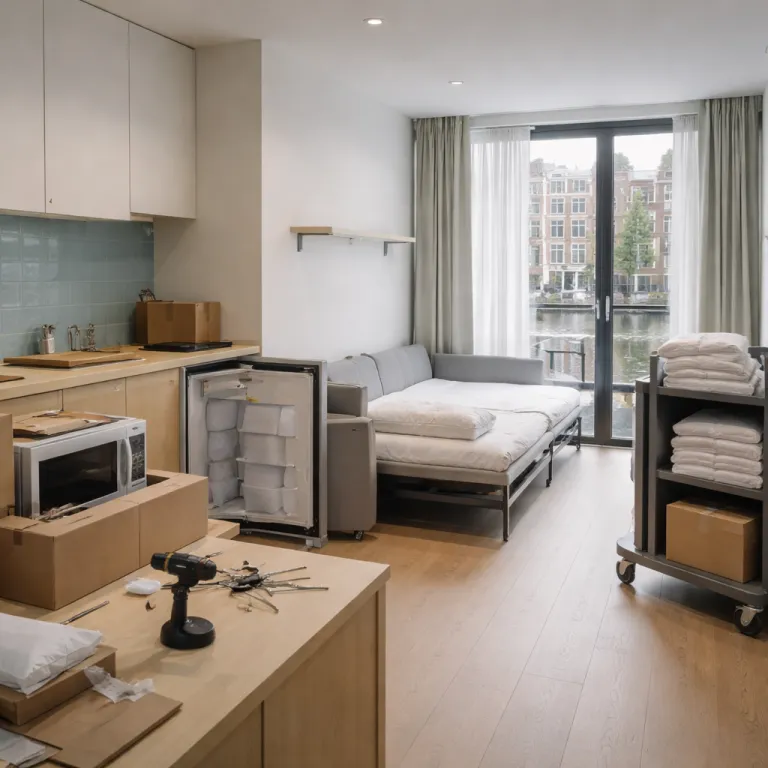
This is where the phrase “Amsterdam extended stay hotel 2026” stops sounding like a search query and starts to describe a new category of urban refuge. Luxury and premium hotels in Amsterdam city are carving out apartment style spaces with kitchenettes, laundry access and generous rooms, designed for stay guests who measure value in time saved rather than in headline grabbing design. As one revenue manager at a major international brand in the city put it in a recent industry roundtable, “Our long stay guests are not chasing spectacle; they want frictionless routines.” The result is a quiet migration from private keys to professional front desk teams, from improvised coworking at a dining table to purpose built social and business lounges that actually work.
Extended stay accommodations are no longer a niche for relocation clients or airline crews; they are becoming the default for executives who want to enjoy Amsterdam without the administrative friction of ownership. The city’s own tourism messaging now leans into longer, more responsible visits, and that aligns with the rise of stay hotels that reward a long stay with better stay rates and more thoughtful service. For travelers, the question is no longer whether to book a hotel Amsterdam side, but which extended stay concept best matches their working rhythm and preferred urban escapes.
Where luxury meets long stay: the new extended stay map of amsterdam
Look closely at the current map of Amsterdam hotels and you will see several properties quietly defining what a serious extended stay can look like. Element Amsterdam, tucked into the Zuidas district, offers suites with kitchenettes that feel closer to private apartments than to traditional economy hotels, yet with the reassurance of a full service front desk and polished housekeeping. Residence Inn Amsterdam Houthavens and Residence Inn Amsterdam Schiphol Airport extend that formula with suite only layouts and harbor or runway views, while The Social Hub Amsterdam West adds a more playful social and business mix in a rapidly evolving neighborhood.
These hotels Amsterdam side are not chasing the one night holiday crowd; they are engineered for guests who unpack properly and treat their room as a base for real life. Kitchenettes, laundry access and generous workspaces turn rooms into flexible spaces where a video call, a late night email sprint and a slow breakfast can coexist without friction. As one industry guide from a global hotel group puts it with useful clarity, “What amenities are typical in extended stay hotels? Kitchenettes, laundry facilities, and spacious living areas.”
For a traveler searching for the best Amsterdam extended options, the choice now runs along an axis of central location versus calm connectivity. Element Amsterdam places you within easy reach of the financial district and a short tram ride from the historic city center, while Residence Inn Amsterdam Houthavens trades canal belt crowds for wide water views and quick access to creative coworking hubs. The Social Hub Amsterdam West, officially listed among extended stay hotels, leans into community with shared lounges, casual dining and events that make it easier to build a temporary social circle during a long stay.
Urban escapes in this city are no longer confined to canal house addresses, even if a night in one of the classic canal house hotels remains a seductive option for shorter visits. If you are curious about that side of the market, our separate insider guide to Amsterdam’s canal house hotels and sleeping on the water shows how heritage properties handle intimacy and service. For the executive extending a business trip into a week of work and wandering, though, the Amsterdam extended stay hotel ecosystem offers something more sustainable; a rhythm where meetings, gym sessions and evenings in De Pijp or Oud West flow from a single, well considered base.
Designing for the business leisure guest: from coworking to community
The most interesting shift in Amsterdam extended stay properties is not the presence of a kitchenette, but the way public spaces are being reimagined for business leisure travelers. In Element Amsterdam and the two Residence Inn addresses, lobbies now double as informal coworking zones, with power outlets, natural light and seating that encourages both focus and quiet social contact. The Social Hub Amsterdam West goes further, explicitly branding itself around community, with programming that ranges from talks to casual networking, all anchored by a front desk team trained to act as connectors rather than gatekeepers.
For executives who once relied on private apartments, this evolution matters because it replaces isolation with curated interaction. Instead of working alone at a kitchen table, you can move between your fully equipped room, a structured coworking style lounge and, in some cases, partner spaces in nearby offices or clubs, creating a layered workday that still leaves time to enjoy Amsterdam in the evenings. When you return, you are not just a room number; you are part of a temporary community that shares tips on restaurants, running routes and the most efficient tram lines back to the city center.
Price remains a factor, especially as average extended stay rates in Amsterdam hover around 150 EUR per night for quality properties, but the value equation is shifting. Marriott International’s European performance updates and STR benchmarking data for 2022–2023 point to midscale and upscale extended stay brands in Amsterdam clustering around that level for longer bookings, with discounts kicking in from seven nights upward. “Are extended stay hotels more affordable? Often offer better rates for longer stays,” notes one practical guide from a major hotel chain, and that logic holds when you factor in the ability to cook occasionally, do laundry on site and use coworking style spaces instead of renting separate offices. For many business travelers, the best Amsterdam extended option is not the cheapest room, but the stay hotel that compresses their total trip costs while raising their quality of life.
Luxury here is measured in thoughtful details rather than in ostentatious décor; it is the hotel Amsterdam side that remembers your preferred coffee order, or the inn style express laundry service that turns around shirts overnight without fuss. At the very top of the market, suites at places such as Rosewood Amsterdam, which we examine in depth in our review of what a night in one of Europe’s priciest suites delivers, show how high service standards can coexist with residential scale layouts. The lesson for extended stay and long stay concepts is clear; give guests the privacy of an apartment, the social and business infrastructure of a club and the reliability of a seasoned hotel équipe.
How to choose your amsterdam extended stay base in the new era
Choosing an Amsterdam extended stay hotel in this new regulatory landscape starts with clarity about your own rhythm. If your days are dense with meetings in the Zuidas or near Schiphol, then Residence Inn Amsterdam Schiphol Airport or Element Amsterdam will reduce transit friction and keep your long stay efficient. When your work is more diffuse, with pockets of time for museums, canal walks and dinners, a property closer to the city center or in Amsterdam West may offer a better balance between business and pleasure.
Look beyond headline price and interrogate the full package of facilities and services. “Do extended stay hotels offer daily housekeeping? Services may be less frequent; check with the hotel,” is a reminder that not all stay hotels operate on the same cadence, and that you should align expectations before you arrive. Ask about laundry access, gym quality, quiet hours, and whether public spaces genuinely support coworking, or are simply rebadged lobbies with weak Wi Fi and no power outlets.
For those who treat wellness as non negotiable, pairing an extended stay base with a dedicated spa and sport address can be a smart move. A stay at a property near the Amsterdamse Bos, for example, combines easy access to nature with the option of booking refined wellness and sport sessions at a specialist retreat such as the one we profile in our review of a spa and sport hotel on the edge of the forest. That way, your trip becomes a layered urban escape; mornings in meetings, afternoons in coworking friendly spaces, and evenings either in the forest or along the canals, depending on your mood.
Finally, remember that Amsterdam hotels are operating in a market shaped by overtourism management and tighter rules on holiday rentals, which means that availability for extended stay and long stay periods can tighten quickly in peak months. The most reliable strategy is simple; book early for the best stay rates, check for extended stay discounts and verify which amenities are included in your chosen room category. Done well, your Amsterdam extended stay becomes less a compromise and more a deliberate choice to enjoy the city as a temporary resident, supported by a hotel équipe that understands both your calendar and your curiosity.
Key figures shaping extended stay hotels in amsterdam
- The average extended stay rate for quality properties in Amsterdam is around 150 EUR per night, a level that reflects both higher service standards and strong demand from business leisure travelers (based on recent data shared by major hotel groups such as Marriott International in their European performance updates and STR’s Amsterdam extended stay benchmarks for 2022–2023).
- There are currently several major extended stay hotels in Amsterdam operating with a suites first model, a small but influential group that is setting expectations for kitchenettes, laundry access and generous living spaces in this segment.
- Extended stay accommodations in Amsterdam report higher occupancy rates than many traditional short stay properties, as longer bookings smooth out seasonal dips and align with the city’s push for more sustainable tourism patterns, highlighted in municipal tourism strategy papers and industry analyses from STR and CBRE.
- Booking windows for long stay reservations are lengthening, with many executives now securing their preferred hotel several months in advance to lock in favorable stay rates and guarantee access to fully equipped rooms, according to corporate travel managers surveyed in recent industry reports from GBTA and major travel management companies.
- City policy changes on second homes and short term rentals are expected to keep channeling displaced demand toward hotels, reinforcing the business case for more apartment style suites and extended stay packages in Amsterdam.