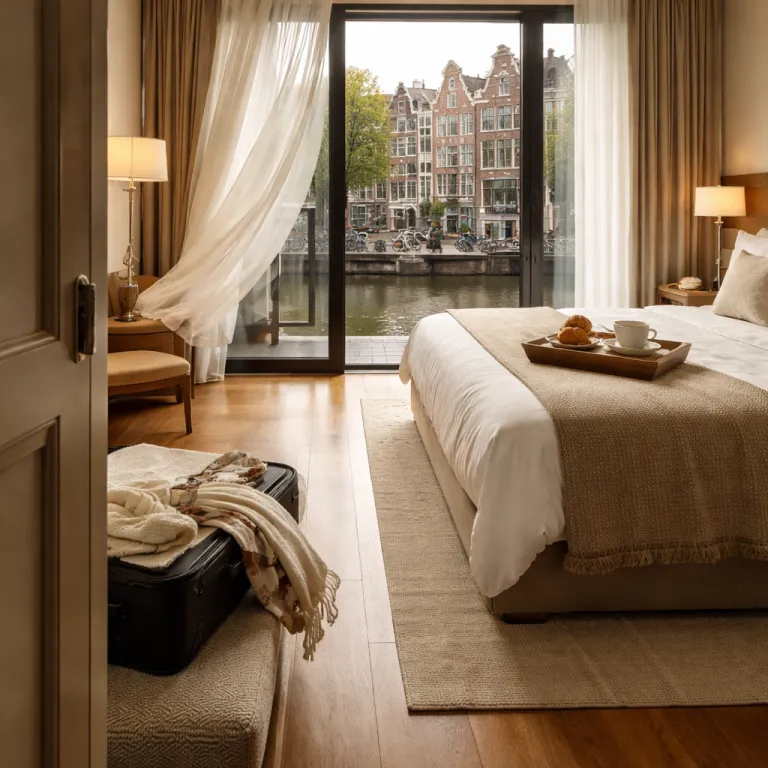
Luxury hotels in the Netherlands redefined for modern travelers
Luxury hotels in the Netherlands now balance heritage, contemporary design and attentive service. Across the country, five-star hotel addresses in each city compete less on chandeliers and more on how intuitively they shape your stay. The result is a collection of hotels and resorts where the best experiences feel quietly personal rather than loudly opulent.
Amsterdam still anchors most searches for a luxury hotel in the Netherlands, yet many travelers now pair a few nights in the city center with time in smaller cities or countryside resorts. This mix lets you enjoy a canal-side room with a postcard view, then shift to a grand estate or design-forward retreat where the pace drops and the service team remembers your name. When you compare hotels Netherlands wide, think in terms of contrasting stays rather than one supposedly perfect property.
At the top end, the Waldorf Astoria Amsterdam on the Herengracht canal remains a benchmark for discreet five-star service. This Waldorf Astoria property occupies a row of canal mansions, and the Waldorf Astoria Amsterdam team leans into heritage without feeling stiff or themed. As one official answer from the Amsterdam Tourism Board notes, “Common amenities include spa services, fine dining, and concierge services,” a description that still reflects the current five-star standard.
Those amenities now extend beyond the spa and hotel restaurant to thoughtful extras that matter on a city break. Expect a fitness center with natural light rather than a basement gym, complimentary bicycles instead of a dusty brochure rack, and free filtered water on every floor. In the best hotels, the distance in miles between lobby and room feels short because staff anticipate needs before you even reach the lift.
Across these luxury hotels, taxes and fees have become more visible since the national VAT increase to 21 percent. For anyone planning a romantic stay, a family city break or a business trip, that means the advertised rate for hotels and resorts in the Netherlands often rises noticeably once city taxes, fees and service charges are added. On a typical €450 per night canal-view room in high season, the difference between the base rate and the final total can easily exceed €100 for a two-night stay, so the smartest strategy is to compare final totals for each hotel Amsterdam option, not just the headline room price.
Amsterdam’s grand dames and design leaders in the city center
Amsterdam concentrates the highest density of luxury hotels in the Netherlands, with fifteen five-star hotels officially listed by the Amsterdam Tourism Board as of early 2024 (based on the city’s published accommodation register in January 2024). Around Dam Square, the Anantara Grand Hotel Krasnapolsky Amsterdam and De L’Europe Amsterdam define two different ideas of a grand city stay. One faces the Royal Palace and the other overlooks the Amstel River, yet both deliver a classic European hotel experience with polished service and a strong sense of place.
On the Herengracht, Waldorf Astoria Amsterdam remains the city’s most rarefied address for guests who value privacy and tailored service. Behind its canal house façade, this Waldorf Astoria Amsterdam property offers a tranquil inner garden, a refined hotel restaurant and a spa that feels more private residence than urban wellness club. For many travelers comparing hotels Netherlands wide, this is the benchmark against which other grand hotels and resorts are judged.
Design-focused visitors often gravitate toward contemporary luxury hotels that feel more like curated residences than traditional grand hotels. Properties such as the Conservatorium and the better citizenM flagships show how a hotel in Amsterdam can combine strong architecture, a social lobby and compact yet cleverly planned room layouts. These hotels sit within a few Amsterdam miles of the historic center, giving you quick tram access while avoiding the busiest streets.
Price-wise, Amsterdam’s luxury hotels now reflect both global demand and the national VAT reality. The 21 percent rate applies to room revenue and many services, so the gap between a four-star and five-star stay can widen once all taxes and fees are included. In peak months, entry-level rooms at central five-star properties often start around €350–€500 per night, while suites and signature canal-view categories can run well above €800. A simple comparison in summer 2023 showed a three-night stay in a central five-star hotel at roughly €1,350 including VAT and city tax, versus about €1,000 for a comparable four-star property a few tram stops away, illustrating how category and location combine to shape the final bill.
When planning an urban escape, factor in how you move through the city center as much as the room itself. A hotel near the Grachtengordel canals offers atmospheric views but may involve more walking over bridges, while a property near Amsterdam Centraal station shortens transfers but sacrifices some charm. A practical local tip: if you stay near Museumplein, the direct tram and airport bus links make it easy to reach Schiphol while keeping you within a short walk of the Rijksmuseum and the Van Gogh Museum. For a deeper look at how city rules and events shape a stay, our guide on what visitors face in Amsterdam during major celebrations explains how policy shifts can subtly change the feel of a trip.
Beyond Amsterdam miles: urban escapes in Rotterdam, The Hague and Maastricht
Once you look beyond Amsterdam, luxury hotels in the Netherlands start to feel more spacious, more architectural and often better value. Rotterdam’s skyline, The Hague’s diplomatic avenues and Maastricht’s medieval streets each host hotels and resorts that suit travelers who prefer culture and design over crowds. The key is to match your travel style with the right city and the right hotel rather than defaulting to the canal belt.
In Maastricht, Kruisherenhotel Maastricht stands out as one of the best hotels in the country for travelers who appreciate adaptive reuse. This former monastery and church now houses a grand lobby, a striking restaurant and a carefully designed room collection that respects the original stonework. Many guests consider it among the best boutique-style properties in the Netherlands, even if the term boutique hotels is often overused elsewhere. A local tip: from the hotel, a short walk up to Vrijthof square in the early evening lets you combine terrace drinks with views of the illuminated basilica.
The Hague offers a quieter version of city-center luxury, with embassies, museums and the beach at Scheveningen all within a few miles. Here, hotels and resorts tend to emphasize calm rooms, fine dining and easy tram access rather than nightlife. Travelers who value a slower pace often find that a three-night stay in The Hague followed by two nights in a hotel Amsterdam property gives a more balanced view of the Netherlands. For a simple local advantage, staying near the Binnenhof or Noordeinde Palace puts you within walking distance of both the Mauritshuis and the tram to the coast, so you can combine Vermeer paintings with a sunset stroll on the pier.
Rotterdam, by contrast, leans into architecture and waterfront views. High-rise hotels in the Kop van Zuid area offer a panoramic view of the Maas River, while smaller design-focused hotels near the city center attract travelers who care about interiors as much as location. In both cities, typical nightly rates for upscale rooms often sit between €220 and €350 outside major events, undercutting comparable categories in central Amsterdam. For a sense of how these regions compare, our regional breakdown on where to stay in the Netherlands beyond Amsterdam maps out which cities suit food lovers, museum goers or shoppers. A Rotterdam insider tip: choose a hotel within walking distance of Markthal and the Cube Houses to pair striking architecture with easy access to local food stalls.
Whichever city you choose, remember that the VAT increase to 21 percent applies nationwide, not just in Amsterdam. That means a five-star hotel in Maastricht or Rotterdam may still represent strong value compared with a similar star rating in the capital once all taxes and fees are included. For couples, families or solo travelers, this can free up budget for a better room category, a special hotel restaurant dinner or a spa treatment during a longer stay.
How VAT, taxes and fees shape the real cost of luxury stays
Luxury hotels in the Netherlands now operate in a pricing environment shaped strongly by VAT, local levies and service charges. The national VAT rate of 21 percent applies to room revenue and many ancillary services, which means the final bill at five-star hotels and resorts can surprise travelers who only glanced at the base rate. Understanding how these taxes and fees work helps you compare hotels more fairly and avoid unwelcome surprises at checkout.
Most hotel websites in the Netherlands now show whether VAT and city tax are included or added later, but the presentation still varies between hotels and online travel agencies. When you compare a hotel Amsterdam offer with a rate in Rotterdam or Maastricht, always click through to the final booking page to see the total including all mandatory charges. This is especially important at the top end of the market, where a canal-view suite or grand corner room can carry a significant nightly rate before any extras.
For travelers planning a special stay, the smartest approach is to decide your total budget for the trip, then work backwards. If you know you want at least one fine dining experience in the hotel restaurant, a spa treatment and perhaps late checkout, build those into your estimate alongside the room rate. Many luxury hotels and resorts now offer packages that bundle breakfast, a set dinner and sometimes free parking or a spa credit, which can soften the impact of VAT when compared with booking each element separately.
Booking direct with the hotel often gives you clearer visibility on taxes and fees than some third-party sites. Direct channels may also include small extras such as a welcome drink, a better room allocation or more flexible cancellation, which add real value on a short city-center break. For frequent travelers, joining a loyalty program linked to a collection of hotels can also offset higher VAT through points, upgrades or complimentary breakfast.
Remember that the cost of a luxury stay is not only about the nightly rate. A hotel with an excellent fitness center, a genuinely useful concierge and a location that reduces taxi miles can feel better value than a cheaper property that leaves you paying for transport and external services. In the Netherlands, where public transport is efficient and cities are compact, choosing the right location within each city can be as important as shaving a few euros off the room price.
Matching hotel style to your travel personality as a couple
Choosing between the many luxury hotels in the Netherlands starts with understanding your own travel rhythm as a pair, a family group or a solo guest. Some travelers feel most at home in a grand canal-side hotel with white tablecloths and a pianist, while others prefer a design-led room above a lively lobby bar. The best hotels and resorts make their personality clear from the moment you enter the lobby, so you can sense quickly whether it matches your own.
Heritage-focused guests often gravitate toward properties like De L’Europe Amsterdam, InterContinental Amstel Amsterdam or the canal houses of Waldorf Astoria Amsterdam. These hotels offer a strong sense of history, river or canal views and a style of service that feels formal yet warm. In Maastricht, Kruisherenhotel Maastricht brings a similar heritage mood in a very different architectural language, with soaring ceilings and a dramatic restaurant suspended above the former nave.
Design-conscious travelers may prefer contemporary luxury hotels where the room layout, lighting and materials feel as considered as a gallery space. In Amsterdam, this might mean choosing a hotel in the museum quarter with a strong art collection, or a property near the city center that collaborates with local designers. Across the Netherlands, several hotels and resorts now work with Dutch architects and furniture makers to create spaces that feel rooted in place rather than generic.
Wellness-oriented visitors should look for hotels and resorts with a serious spa and a proper fitness center rather than a token gym. Properties such as Fort Resort Beemster or Thermae 2000 pair thermal facilities with quiet rooms, making them ideal for a two-night reset after a busy city break. When comparing options, check whether spa access is free for hotel guests or carries a supplement, as this can change the real value of a stay.
Finally, think about how you like to eat and drink on holiday. If you enjoy long dinners, prioritize a hotel restaurant with a strong reputation and a bar where you actually want to linger, even if that means a slightly smaller room. If you prefer to explore the city’s food scene, a central location within a few miles of key neighborhoods may matter more than on-site dining, especially in compact cities like Amsterdam or Utrecht.
Booking strategies for luxury hotels and resorts across the Netherlands
Securing the right luxury hotel in the Netherlands is as much about timing and channel as it is about taste. For peak periods in Amsterdam and major events in cities like Maastricht or Rotterdam, booking several months ahead remains the safest way to access the best rooms. The simple rule still holds true; book in advance to secure the best rates, check for seasonal promotions and review cancellation policies carefully.
When comparing hotels and resorts, start by shortlisting three to five properties that match your style and location needs. Visit each hotel’s official website to see whether direct booking offers include breakfast, late checkout or free access to the fitness center, then compare these with major booking platforms. Rooms can be booked through their official websites or major booking platforms, but direct channels often communicate taxes, fees and inclusions more transparently.
For travelers with flexible dates, shoulder seasons around spring and autumn often deliver the best balance of price and atmosphere. In Amsterdam, staying just outside the busiest weekends can reduce rates at five-star hotels by a meaningful margin, especially once VAT and city tax are factored in. In smaller cities, midweek stays at hotels and resorts that cater to both business and leisure guests can unlock attractive packages that include dinner or spa access.
Loyalty programs linked to international collections of hotels can add quiet value over time. Even if you only reach the first tier, benefits such as complimentary breakfast, late checkout or a better room allocation can transform a short city-center stay. For independent properties like Kruisherenhotel Maastricht or some design-forward hotels in Rotterdam, consider signing up to their newsletter instead, as this is where limited-time offers and packages are usually announced first.
Finally, remember that the best booking strategy is the one that aligns with how you actually travel. If you value flexibility, pay a little more for a cancellable rate and accept that last-minute changes may cost a few extra euros in taxes and fees. If your dates are fixed and you know exactly which hotel Amsterdam or regional property you want, an advance purchase rate can free up budget for a special dinner, a canal cruise or a private museum tour during your stay.
Key figures and trends in Dutch luxury hospitality
- The Amsterdam Tourism Board reports fifteen officially classified five-star hotels in Amsterdam as of early 2024, based on its public accommodation listings, underscoring the city’s role as the primary hub for luxury hotels in the Netherlands and confirming the continued strength of the high-end segment.
- The national VAT rate of 21 percent on hotel stays and many services means that taxes and fees now account for a significant share of the final bill at luxury hotels and resorts, especially in the five-star segment and for higher room categories.
- Rising demand for small-scale luxury properties has led to an increased demand for boutique-style hotels across the Netherlands, particularly in cities such as Maastricht, Rotterdam and The Hague, where historic buildings lend themselves to intimate conversions.
- Online research and official hotel websites remain the primary tools for travelers comparing hotels Netherlands wide, but direct booking through hotel sites is increasingly favored for clearer tax information, loyalty benefits and added value extras.
- Common amenities at top-tier hotels and resorts in Amsterdam include spa facilities, fine-dining restaurants and dedicated concierge services, reflecting a consistent baseline of luxury across the city’s leading properties and new openings.
FAQ about luxury hotels in the Netherlands
What amenities can I expect at luxury hotels in Amsterdam and other Dutch cities ?
Across Amsterdam and the wider Netherlands, luxury hotels typically offer spacious rooms, high-quality bedding, a well-equipped fitness center, spa facilities and at least one serious restaurant or bar. Many five-star hotels also provide concierge services, 24-hour room service and thoughtful extras such as complimentary bicycles or in-room coffee machines. In canal-side properties, a room with a view of the water is often the most sought-after category and may carry a noticeable premium.
Are there any notable new luxury hotels opening in Amsterdam ?
Rosewood Amsterdam is one of the most anticipated new luxury hotels in the city, bringing an international brand with a strong reputation for service to the Dutch capital. As of early 2024, the project is publicly announced but not yet open to guests, with the brand indicating an expected opening window around 2025–2026 in its official press materials. This addition will join established names such as Waldorf Astoria Amsterdam, De L’Europe Amsterdam and InterContinental Amstel Amsterdam in the upper tier of the market, so travelers planning future trips should monitor official hotel websites for confirmed opening dates and early booking offers.
How far in advance should I book a luxury hotel in the Netherlands ?
For peak periods, major events and school holidays, booking your preferred hotel at least two to three months in advance is advisable, especially in Amsterdam. In smaller cities such as Maastricht or The Hague, you may find more flexibility, but the best rooms at popular hotels and resorts still sell out early on weekends. If your dates are fixed and you want a specific room type or view, earlier is always better, and six months ahead is not excessive for flagship suites.
Is it better to book directly with the hotel or through a third party platform ?
Booking directly with the hotel often provides clearer information on taxes and fees, as well as access to special packages, loyalty benefits or more flexible cancellation terms. Major booking platforms can be useful for initial comparison of hotels Netherlands wide, but once you have a shortlist, checking direct rates is essential. Many luxury hotels also match or beat third-party prices when contacted directly, especially for longer stays or higher room categories.
How does the VAT rate affect the cost of luxury stays in the Netherlands ?
The 21 percent VAT rate applies to room revenue and many services, so it significantly influences the final cost of a stay at luxury hotels and resorts. When comparing options, always look at the total price including VAT and local city taxes, not just the base nightly rate. This is particularly important in the five-star segment, where higher room categories and suites can amplify the impact of taxes and fees on your overall budget, especially for multi-night stays.