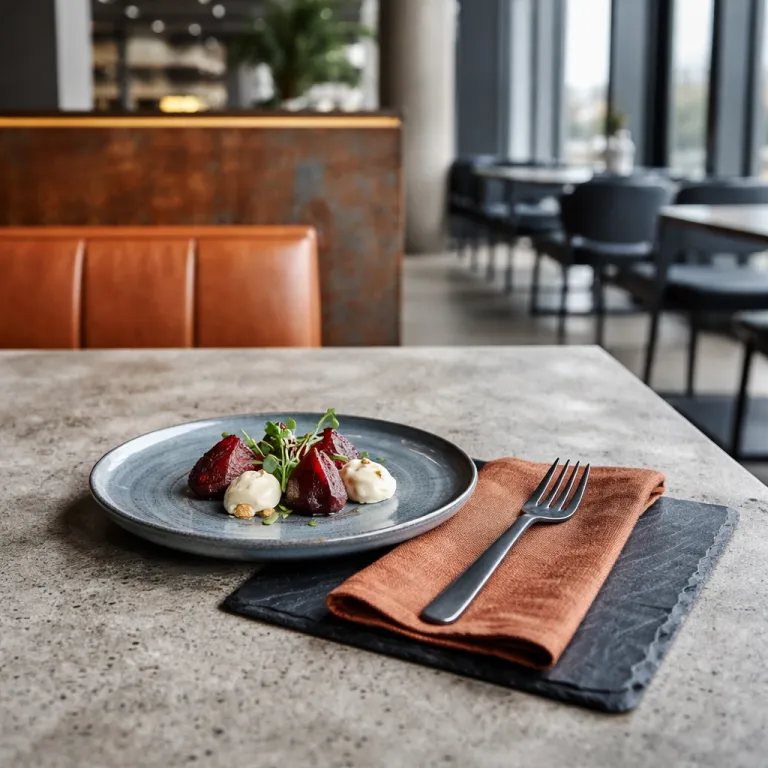
The quiet rise of Dutch hotel restaurant fine dining
Across the Netherlands, the landscape of hotel fine dining has shifted from convenient to compelling. Luxury properties now treat each dining room as a stage where a chef can express the New Dutch food movement with confidence and restraint. For travelers, that means your hotel can be both a comfortable base and a serious culinary experience.
In Amsterdam and beyond, hotel restaurants are chasing more than one Michelin star; they are building identities that stand apart from their parent hotels. Ciel Bleu in Hotel Okura Amsterdam, with its two Michelin stars, shows how a star restaurant inside a high rise can feel intimate rather than showy. According to the 2024 Michelin Guide for the Netherlands, there are just over one hundred starred restaurants nationwide, and a growing share sit within hotels that treat dining as a destination in its own right.
These dining rooms are no longer just for guests who need a late dinner after meetings. Locals book tables weeks ahead, choosing a tasting menu with wine pairings as carefully as they would at any independent Amsterdam restaurant. When you pick a hotel today, you are often choosing your first night’s dinner, your last afternoon tea, and the restaurant that might define your memory of a stay in the Dutch capital.
Amsterdam hotels where the restaurant leads the story
Amsterdam is where Dutch hotel restaurant culture feels most concentrated and confident. At Sofitel Legend The Grand Amsterdam, Restaurant Bridges pairs classic French technique with North Sea produce, proving that a hotel restaurant inside a heritage building can still feel quietly radical. Its executive chef leans into multi course menus that balance one precise fish dish with a richer meat course, always with a thoughtful wine pairing.
De L’Europe Amsterdam hosts Flore, a sustainable fine dining address that treats every dinner as a study in local sourcing. Here, the culinary experience reflects Food Valley research and the broader New Dutch food revolution, with vegetables often taking the lead role in a tasting menu that still feels indulgent. Guests who care about responsible dining can book a reservation knowing that the restaurant’s partnerships with farmers across the Netherlands are as considered as its wine list, and that a multi course menu with pairings will typically match other high end options in the city.
For a different mood, Senses Restaurant and De Silveren Spiegel show how restaurants in Amsterdam can feel both intimate and ambitious. Senses offers a compact room where each dish arrives like a small design object, while De Silveren Spiegel uses its seventeenth century canal house setting to frame modern Dutch dinner menus. If you prefer a refined city stay with strong access to these notable addresses, the Bilderberg Garden Hotel is a reliable choice for a quiet base near several acclaimed dining rooms, and you can read an elegant guide to this property in our dedicated overview of the Bilderberg Garden Hotel Amsterdam location for refined city stays.
Beyond Amsterdam: destination hotel restaurants across the Netherlands
Leaving Amsterdam opens up a different layer of hotel fine dining in the Netherlands, one that leans into landscape and regional produce. In Venlo, Valuas combines a serious restaurant with comfortable rooms, turning a dinner with wine pairings into a full overnight experience. The chef here works closely with local suppliers, translating the Food Valley ethos into dishes that feel rooted in the eastern Netherlands.
De Librije in Zwolle, housed in a former eighteenth century women’s prison, is perhaps the clearest example of a hotel where the restaurant defines the entire property. Its three Michelin stars and long standing appearance in the Michelin Guide make it a pilgrimage for travelers who plan their trip around one extended lunch dinner sequence. Guests often book dinner reservations and rooms together, treating the star restaurant as both evening entertainment and the main reason to visit this part of the country.
Rotterdam, Maastricht, and smaller cities now host hotels where a restaurant inside the property is reason enough to stay. In Rotterdam, you will find dining rooms that echo the city’s architectural boldness, while in Maastricht, wine focused hotels lean into cross border influences from Belgium and Germany. For solo travelers planning a refined city escape, our elegant guide to the best small hotels in Amsterdam for a refined city escape offers context on how to balance intimate hotels with access to serious restaurants in the city, before you branch out to other regions.
From Food Valley to cheese markets: how research and terroir shape hotel menus
The strength of Dutch hotel restaurant fine dining rests on more than talented chefs and polished service. Wageningen University & Research and the surrounding Food Valley have turned the Netherlands into a global hub for food innovation, and hotel kitchens quietly benefit from that work. When an executive chef in Amsterdam talks about soil health or plant based proteins, there is often a direct line back to Wageningen data and partnerships.
Traditional Dutch dishes are being reimagined in this context, especially inside hotels that want to offer guests a sense of place without cliché. You might encounter erwtensoep as a refined course in a winter tasting menu, or a stamppot reworked into a delicate lunch dinner plate with precise vegetable cuts and a restrained jus. Even bitterballen appear as a playful snack during afternoon tea or in a private dining room, paired with an unexpected wine rather than beer.
Regional icons such as the Alkmaar Cheese Market also influence how hotels think about dining and wine pairings. Some hotels now offer culinary packages that include a guided visit to cheese markets, followed by a dinner where the restaurant’s sommelier builds a course by course pairing around Dutch cheeses. For travelers, this means that a simple reservation at a nice hotel can evolve into a layered culinary experience that connects markets, farms, and star restaurant tables across restaurants in the Netherlands.
How to book, what to ask, and why F&B now drives hotel strategy
For luxury travelers, navigating Dutch hotel restaurant fine dining starts long before check in. When you pick a hotel, treat the restaurant as a separate decision and study its presence in the Michelin Guide, local food media, and independent platforms. Our expert tips for booking luxury hotels in the Netherlands to maximize value and experience explain how to align your room choice with your dining priorities, from late check out after a long dinner to flexible breakfast after wine pairings.
Once you have chosen your hotel, secure your restaurant reservation as early as possible, especially for Michelin starred addresses and popular dining rooms in Amsterdam. For sought after venues, expect to book at least two to four weeks ahead for weekends, and longer for holidays or major events. Ask the concierge specific questions rather than generic recommendations; inquire about the executive chef’s current tasting menu, whether there is a course that highlights a local ingredient you should not miss, and how the wine list handles pairing for solo diners. If you are interested in private dining or a special lunch dinner format, mention this when you make your dinner reservations so the restaurant inside the hotel can plan service and pacing.
Behind the scenes, hotels now treat food and beverage as a profit center rather than a cost to manage. A strong star restaurant can attract non resident guests, support room rates, and position the hotel within the competitive landscape of fine dining restaurants in the Netherlands. For you as a traveler, this shift means that a nice hotel in Amsterdam or a countryside property with a classic French leaning kitchen will often invest heavily in service training, cellar depth, and the kind of quietly attentive hospitality that turns a single dish into a lasting memory.
FAQ
What is the dress code for fine dining in Dutch hotels?
Smart casual to formal attire is recommended. In most Dutch hotel restaurant fine dining rooms, a jacket is appreciated in the evening, while clean sneakers are usually acceptable if the rest of your outfit feels polished. When in doubt, ask the hotel or restaurant at the time of reservation, especially for Michelin starred venues.
Are reservations required for these restaurants?
Yes, advance reservations are highly recommended. Many hotel dining rooms in Amsterdam and other cities operate with limited seating, particularly when they offer a fixed tasting menu. Booking early also allows the team to note dietary needs and suggest ideal times for wine pairings or extended dinner experiences.
Do these restaurants accommodate dietary restrictions?
Most offer options for dietary restrictions; inform them in advance. When you make your dinner reservations, specify allergies, vegetarian or vegan preferences, and any ingredients you wish to avoid. This gives the chef time to adjust each course without compromising the overall culinary experience.
Can non hotel guests eat at Dutch hotel restaurants?
Yes, non residents are welcome at almost all Dutch hotel restaurant fine dining venues. In Amsterdam restaurant hotspots such as Ciel Bleu, Flore, or Restaurant Bridges, a large share of guests come from the city rather than the hotel. Just remember that popular star restaurant dining rooms may require booking several weeks ahead.
How many Michelin starred restaurants are there in the Netherlands?
The Michelin Guide currently lists just over one hundred Michelin starred restaurants in the Netherlands in its 2024 edition. A growing number of these are located inside luxury hotels, especially in Amsterdam and regional hubs such as Zwolle. This density makes the country an efficient destination for travelers who like to plan trips around multiple Michelin star dinners in a single journey.