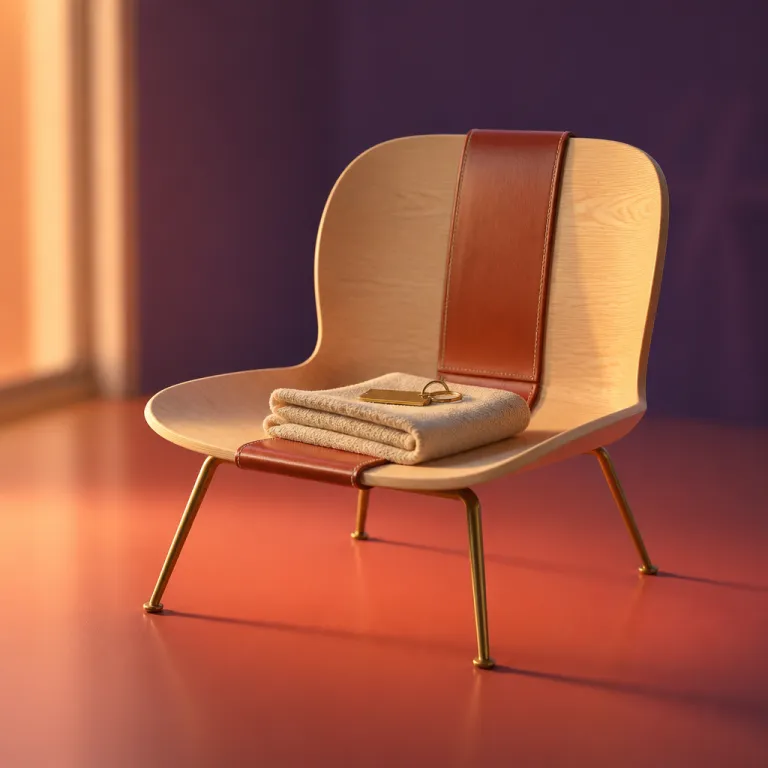
Dutch design hotels Netherlands: minimalism with a pragmatic soul
In the landscape of design hotels Netherlands stands apart for a kind of minimalism that feels lived in rather than staged. Where Scandinavian hygge leans into softness and candles, and Japanese wabi sabi celebrates imperfection as philosophy, Dutch interiors in every luxury hotel treat simplicity as a tool to solve real problems. You feel it from the moment you enter a hotel in the Netherlands and notice that the chair is light enough to move, the lighting is intuitive, and the rooms are compact yet surprisingly generous.
Design-forward hotels across the Netherlands are built on pragmatism; the aesthetic comes after the function has been perfected. That is why many hotels in Amsterdam or Rotterdam use modular furniture, sliding panels and integrated storage to make small rooms and suites feel calm rather than cramped, even when the building is a narrow canal house. This approach keeps the price-to-value ratio honest for the solo explorer who wants a refined stay without paying only for theatrical design gestures.
Across the Netherlands, from a centre hotel in a historic city to a contemporary canal house conversion, you will notice recurring features that quietly elevate your stay. Breakfast is often served in a light-filled restaurant that doubles as a co-working lounge, and the best properties offer private corners where you can read or work without feeling exiled from the social life of the hotel. This is minimalism that respects your time and movement, not just your Instagram feed, and it makes Dutch boutique hotels a compelling alternative to the usual Milan or Copenhagen shortlist.
From Droog to citizenM: how Dutch modular thinking reshaped hotel rooms
The story of design hotels Netherlands cannot be told without Droog Design and its influence on how we now think about hotel rooms worldwide. The experimental spirit behind Hôtel Droog in Amsterdam treated the hotel as a living gallery, and that mindset paved the way for citizenM, whose modular rooms were conceived in Amsterdam as compact, efficient cocoons. When you book a citizenM or similar hotels Amsterdam wide, you are stepping into a Dutch idea of comfort where every centimetre is asked to work hard.
In these hotels, the room is not a neutral box; it is a finely tuned tool for your stay. Beds are often wall to wall, creating a private nest, while integrated tech controls lighting, blinds and temperature from a single tablet, which keeps the space visually calm and functionally sharp. This is where the difference between Dutch minimalism and Japanese wabi sabi becomes clear, because the Dutch version is less about meditative imperfection and more about making sure you never have to cross the room twice to switch off a light.
Industry overviews from the Netherlands Board of Tourism and Conventions describe a steady rise in boutique and design-led properties across major cities, with occupancy for well-located hotels typically reported in the higher ranges, which shows how strongly travelers respond to this clarity of purpose. When you compare the price of a well-designed hotel Amsterdam room to a larger but less thoughtful Amsterdam hotel, the value often tilts toward the compact, modular option. For solo travelers who move between cities, Dutch design hotels offer a consistent language of comfort that makes each new room feel instantly legible, whether you are near Leidse Square or in a quieter city centre district.
Amsterdam canal houses: turning constraints into contemporary comfort
Nowhere is the character of design hotels Netherlands more visible than in the canal house conversions of Amsterdam. These tall, narrow buildings along each canal were never meant to host elevators, spa-level suites or generous rooms, yet some of the best hotels Amsterdam wide have turned that constraint into an advantage. You climb a staircase that still creaks with history, then step into a space where Dutch design has edited out every unnecessary object.
Properties such as Pulitzer Amsterdam, Hotel Estherea and Hotel The Craftsmen show how a canal house can feel both historic and sharply modern. At Pulitzer Amsterdam, a chain of canal houses has been stitched together into a single luxury hotel, with rooms that frame views of the water or the Jordaan rooftops while using custom furniture to work around sloping floors and odd angles. Hotel Estherea, located on the Singel canal, layers patterned textiles and contemporary lighting over original details, proving that minimalism in Dutch design hotels does not always mean white walls and bare floors.
Nearby, Hotel The Noblemen and other small luxury addresses in the city centre use private spa features, compact suites and carefully curated art to make each stay feel personal rather than generic. One recent guest described a canal house stay as “like sleeping in a design museum that still feels like someone’s home,” and that balance is deliberate. You might have breakfast in a former merchant’s salon, then step outside to the canal where your hotel Amsterdam lends you a bicycle without fuss, which is the kind of quiet service that matters more than a lobby sculpture. In these canal house hotels, minimalism is about editing the experience so that history, comfort and the city beyond your door stay in balance.
Beyond Amsterdam: Rotterdam laboratories and the Eindhoven pipeline
To understand the full spectrum of design hotels Netherlands, you need to look beyond Amsterdam to Rotterdam and Eindhoven. Rotterdam, rebuilt after wartime destruction, treats architecture as an ongoing experiment, and its hotels follow suit with bolder colors and sharper lines than you often find in a traditional canal house. Bellhop Hotel, for example, leans into a Scandinavian-style clarity, but the Dutch pragmatism shows in how public spaces flex from breakfast room to evening bar without ever feeling improvised.
Hotels such as nhow Rotterdam and Mainport on the waterfront illustrate how Dutch minimalism can be extroverted, using strong color blocks and panoramic glass while keeping rooms efficient and easy to navigate. In these hotels, the restaurant is often integrated into the lobby, and the best suites use sliding partitions so you can shift from work to rest without losing the sense of one coherent space. This is where Dutch design hotels differ from Scandinavian hygge, because the focus is less on cocooning warmth and more on giving you clear sightlines and logical circulation.
Eindhoven adds another layer, thanks to the Design Academy and Dutch Design Week, which feed a steady stream of talent into hospitality projects. Kazerne in Eindhoven is a prime example, located in former industrial buildings where rooms sit alongside galleries and studios, turning your stay into an immersion in contemporary Dutch creativity. When you book a night here, or at a five-star property like Hotel Van Oys near Maastricht, you see how the Eindhoven pipeline and regional projects are pushing design hotels Netherlands to treat each hotel as part cultural venue, part temporary home.
How to choose and book the right Dutch design hotel for your trip
Choosing among design hotels Netherlands starts with being honest about how you travel and what you value. If you want to walk everywhere in Amsterdam Netherlands, focus on a city centre address near Leidse Square or the Jordaan, where a canal house hotel will trade larger rooms for atmosphere and proximity. Travelers who prefer more space and a calmer price point might look just outside the historic core, where hotels Amsterdam wide such as Sir Albert or Dutch Design Hotel Vondelpark offer larger rooms and suites and easy tram access.
When you compare options, pay attention to how each hotel describes its features rather than just the design language on the website. A good luxury hotel will be clear about room sizes in square metres, whether breakfast is included, and what kind of restaurant or bar culture you can expect on site. In central Amsterdam, for example, many design-forward rooms fall in the 16 to 25 square metre range, while larger suites and family rooms sit above that band. Some properties, like Andaz Amsterdam by Marcel Wanders or Dylan Amsterdam, lean into theatrical interiors, while others such as Hotel Van Oys or Kazerne take a quieter, material-driven approach, and both styles sit comfortably under the umbrella of Dutch design hotels.
For food-focused travelers, it is worth pairing a design-forward stay with regional culinary exploration, from Amsterdam hotel restaurants to coastal dining in Zeeland, where guides to Zeeland’s quiet culinary rise can shape your itinerary. Remember that “Are Dutch design hotels expensive?” has a nuanced answer; prices vary, some are luxury, others are mid range, and thoughtful hotel offers often appear outside peak weekends. To get the best boutique-level experience, book early, read recent guest feedback carefully, and treat the hotel as part of your cultural program rather than just a place to sleep, because in design hotels Netherlands the line between gallery, home and hotel is intentionally thin.
FAQ about Dutch design hotels and minimalist stays
What defines a Dutch design hotel compared with other minimalist hotels?
What defines a Dutch design hotel is a focus on functionality first, with minimalism used to support how you move through the space rather than as a style statement. You will often see adaptive reuse of historic buildings, collaboration with local designers and artisans, and interiors that make small rooms feel efficient instead of cramped. As one expert summary from a recent hospitality trend report puts it, “Hotels emphasizing minimalist design, functionality, and local craftsmanship.”
Are Dutch design hotels in Amsterdam only for luxury travelers?
Design hotels Netherlands range from high-end luxury hotel addresses on the canal to more accessible properties in emerging neighborhoods. In Amsterdam Netherlands, places like Dylan Amsterdam or Andaz Amsterdam sit at the top end, while brands inspired by citizenM’s modular thinking offer a lower price point with strong design. The key is to match your budget with location and room size, rather than assuming every design-led hotel is automatically expensive.
How do canal house hotels handle small rooms and historic layouts?
Canal house hotels in Amsterdam work with narrow footprints and steep staircases by using custom furniture, built-in storage and clever zoning. Many rooms and suites place the bed against a wall to free up circulation space, while bathrooms often use glass partitions to keep light flowing. The result is that even a compact canal house room can feel calm and luxurious when the layout is handled with Dutch pragmatism.
Is breakfast usually included in Dutch design hotels, and what can I expect?
Breakfast policies vary, but many design hotels Netherlands either include it in the room rate or offer it as a clearly priced add-on. Expect a mix of fresh bread, local cheeses, eggs and seasonal produce, often served in a restaurant space that doubles as a daytime lounge. If breakfast matters to you, check whether it is included before you book, as this can change the overall value of your stay.
Why should design conscious travelers consider the Netherlands alongside Milan or Copenhagen?
The Netherlands offers a distinct take on design hospitality, shaped by Droog Design, the Eindhoven Design Academy and a culture of pragmatic problem solving. You get the architectural experimentation of Rotterdam, the canal house intimacy of Amsterdam, and regional projects like Kazerne or Hotel Van Oys that blend art, gastronomy and lodging. For travelers who care about how a hotel works as much as how it looks, Dutch design hotels provide a quietly confident alternative to the more familiar scenes in Milan or Copenhagen.