The Dutch relationship with northern light and winter darkness
Dutch design grew up in a flat landscape where the sky dominates. In the Netherlands, luxury hotels that take light seriously understand that long winter nights shape how every hotel room, corridor and hotel lobby should feel. When you book a hotel here, you are really choosing how you want to live with darkness and light for a few precious days.
Rather than chasing constant brightness, the best Dutch design hotels work with the low northern sun, using layered lighting and carefully tuned interiors to make grey days feel calm instead of bleak. This approach to interior design is visible in both compact city hotels in Amsterdam or Rotterdam and in larger resort style properties along the coast, where architecture interiors frame the horizon like a slow moving artwork. In each case, lighting design is treated as a key part of the guest experience, not an afterthought added once the furniture arrives.
Design minded travelers will notice how contemporary design in the Netherlands often pairs large windows with deep reveals, allowing soft daylight to wash across walls rather than hit them directly. At night, warm temperature lighting replaces the sun, with pools of light over tables, reading chairs and mid century inspired sofas instead of a single harsh ceiling fitting. This is where Dutch hotel interiors quietly outperform many luxury hotels in sunnier countries, because they are engineered for the darkest months rather than for postcard summers. At properties such as Conservatorium Hotel in Amsterdam, for example, the contrast between the bright glass atrium by day and the intimate, low level lighting at night shows how carefully winter comfort is planned.
From minimalism as look to minimalism as mood management
Minimalism in Dutch hotel interiors is rarely about empty white boxes. In the Netherlands, the most interesting design hotels use restraint as a mood management tool, editing each interior so that every piece of furniture, every lamp and every artwork earns its place. When you walk into a luxurious hotel lobby on a wet January afternoon, the absence of clutter lets the lighting and natural materials do the emotional heavy lifting.
Instead of cold galleries, the best hotels lean into tactility, combining oak, wool, linen and stone with soft, indirect lighting that flatters both people and spaces. This is where thoughtful illumination becomes a quiet form of hospitality, guiding you from city street to calm room without a single word from the front desk. At The Hoxton, Amsterdam, for instance, the mix of warm wall lights, table lamps and candle level accents turns compact lounges into living room style retreats once the early dusk sets in. For a deeper dive into how Dutch minimalism works when it is more than a surface level aesthetic, our guide to Dutch design hotels and true minimalism unpacks the design trends behind this approach.
Travelers who care about interior design should look beyond glossy pinterest instagram images and ask how a space will feel at 17:00 on a rainy weekday. In a well considered luxury hotel, contemporary design is not about showing off product design but about creating a sequence of hotel interiors that support different moods throughout the day. When lighting schemes are planned properly, the same room can feel bright and focused in the morning, then intimate and cocooning by night, without a single piece of furniture moving.
Light, texture and colour: how Dutch hotels warm up winter
In a country where daylight can vanish by late afternoon, Dutch hoteliers treat lighting as a key material alongside timber and textiles. Many of the best hotels in Amsterdam, Rotterdam and The Hague use layered interior design, combining ceiling spots, wall washers, floor lamps and candle level accents to create depth. This is where carefully considered hotel lighting shows its sophistication, because each layer can be tuned to match the weather outside.
Texture does as much work as light in these interiors, especially when natural materials are involved. Think oak headboards, wool rugs and linen curtains catching the glow from a bedside lamp, turning a standard hotel room into something closer to a private apartment in New York City or Copenhagen. When a luxury hotel gets this balance right, the elegance feels effortless, even though an interior designer and lighting specialist have usually spent months calibrating every reflection and shadow. At Hotel New York in Rotterdam, for example, original timber floors and vintage inspired lamps soften the former shipping offices, making large rooms feel warm even on stormy evenings.
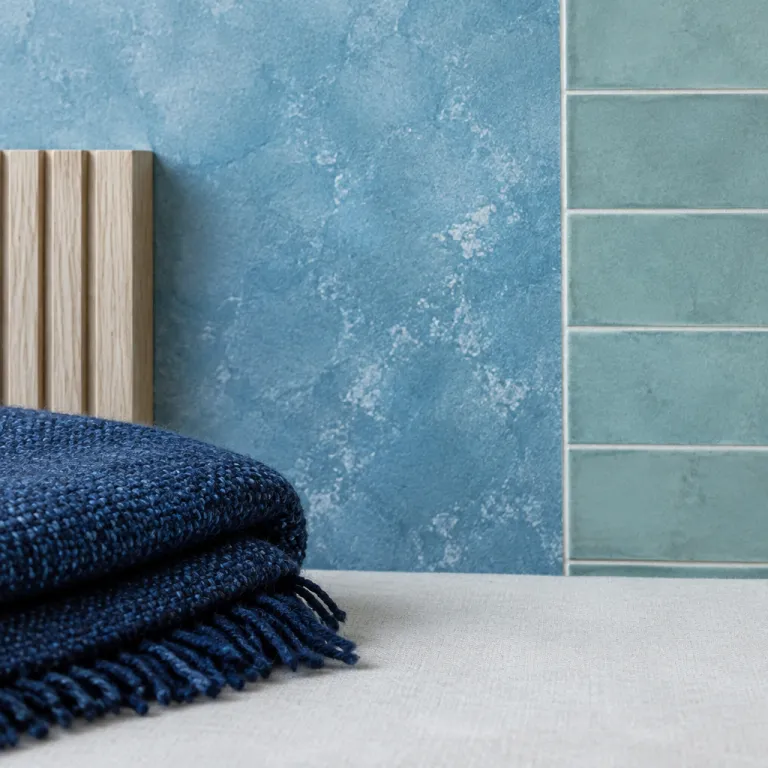
Colour is handled with similar care, often in muted palettes that let art and views carry the drama. A list of the best hotels for winter stays in the Netherlands would include properties that use deep blues, rust tones and forest greens to absorb light rather than bounce it aggressively. In these spaces, contemporary Dutch hotel design works with the architecture interiors, so that even a compact city room feels warm, modern and quietly inspired instead of cramped.
Old bones, new light: converted buildings as winter refuges
Some of the most atmospheric luxury hotels in the Netherlands live inside former warehouses, schools or industrial monuments. Thick walls, high ceilings and generous windows give interior designers a rich canvas, especially when they treat lighting as a way to reveal the building’s history. Exposed beams, brick vaults and original staircases become sculptural elements once carefully lit.
In these conversions, modern design usually arrives through lighting, furniture and carefully chosen art rather than through aggressive structural changes. A mid century inspired armchair under a pool of warm light can make a cavernous corner feel intimate, while a row of pendant lamps can turn a once utilitarian corridor into a gallery like hotel lobby. For travelers, the key question is how the hotel handles winter, because the darkest months are the truest test of any claimed contemporary design credentials. At The Dylan Amsterdam, for instance, the way spotlights graze historic brickwork while fireplaces and table lamps warm the lounges shows how heritage and comfort can be balanced.
When you book a room in a converted property, pay attention to how daylight moves through the interiors and how artificial lighting takes over after sunset. The best luxury hotels in this category use Dutch design principles to balance heritage and comfort, ensuring that product design, architecture interiors and lighting all speak the same language. If a property feels coherent at night in February, it will feel exceptional at any other time of year, which is why these hotels often sit near the top of any serious best hotels list.
How to read a Dutch hotel’s design claims before you book
For a traveler scrolling through options, every hotel seems to promise design, comfort and elegance. To separate marketing from reality, start by checking who is credited as the interior designer or architect, because serious Dutch design projects almost always involve named professionals. Look for projects where the same studio has handled both interior design and lighting, or where a specialist lighting designer is mentioned alongside the main architecture team. Firms such as Studio Piet Boon or i29 interior architects often publish case studies that reveal how much attention is paid to winter conditions.
Next, study how the hotel talks about winter, not just summer terraces and rooftop bars. A truly luxury hotel in the Netherlands will highlight its interiors at night, its use of natural materials and its approach to creating warm, contemporary spaces when the weather turns. Our guide to responsible luxury in the Netherlands explains why this seasonal honesty is a key marker of quality for design hotels and resort style properties alike.
Finally, read guest photos as carefully as professional imagery, because they reveal how the lighting concept performs in real life. Pay attention to how hotel rooms look at night, whether hotel interiors feel coherent from lobby to corridor and whether furniture choices support both work and rest. When a property passes these tests, you can book with confidence, knowing that its contemporary design is more than a pinterest instagram moment and that it will carry you comfortably through the winter greys.
FAQ
How do Dutch design hotels use lighting to improve winter stays ?
They rely on layered lighting rather than a single bright source, combining ceiling spots, wall lights, floor lamps and candle level accents. This lets them adjust the mood throughout the day, making grey afternoons feel calm and evenings feel intimate. In well planned hotel lighting schemes, you can read comfortably, work efficiently and then unwind in the same room without harsh glare.
What should I look for in a hotel room if I visit in winter ?
Check photos of the room at night and look for multiple light sources, including bedside lamps, a reading light and some softer ambient lighting. Natural materials such as wood, wool and linen help absorb and soften light, making the space feel warmer. If the hotel mentions a named interior designer or lighting specialist, that is usually a good sign that winter comfort has been considered.
Are converted buildings in Dutch cities comfortable in the darker months ?
Yes, many converted warehouses, schools and industrial buildings become excellent winter refuges when lighting is handled well. Thick walls and high ceilings can feel cold if badly lit, but with thoughtful illumination they become atmospheric and cocooning. Look for hotels that highlight both their heritage architecture and their contemporary lighting concept in the description.
How do Dutch luxury hotels balance minimalism with comfort ?
They tend to use minimalism as a way to manage mood rather than as a stark visual statement. This means fewer but better pieces of furniture, warm colour palettes and lighting that creates depth instead of flat brightness. The result is a contemporary design language that feels calm and luxurious rather than empty or echoing.
Is it worth paying more for a design focused hotel in the Netherlands ?
If you are visiting during the darker months, a design focused property can significantly improve your stay. Thoughtful lighting, quality materials and well planned hotel interiors make it easier to work, rest and socialise indoors. For many travelers, that added comfort and atmosphere justifies the higher nightly rate, especially on longer trips.