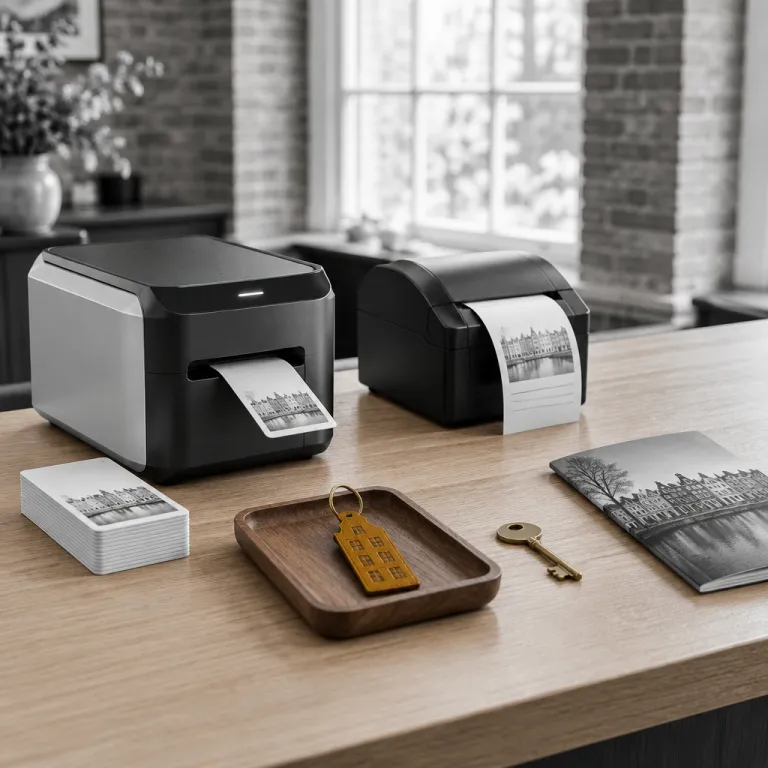
How a refined booking pipeline elevates historic manor stays
Refined heritage stays in the Netherlands begin with a smooth booking pipeline. A well designed V4 Booking Pipeline for luxury and premium hotels turns browsing historic manors into a confident, almost tactile decision. Guests feel the difference when every step from search to confirmation reflects the same elegance as the manor they choose.
On a specialist platform for Dutch luxury properties, the booking flow should present historic manors with layered detail, from architectural style to garden size in hectares. This means high resolution photography, precise room descriptions, and clear information on distances to city centers, train stations, and airports in kilometers. When the reservation funnel is transparent about cancellation terms, taxes, and inclusions, travelers trust the site as much as they trust the hotel brand.
Luxury travelers booking a historic manor expect more than a room; they expect narrative. A carefully structured pipeline can weave in the story of each estate, from former noble owners to recent restorations, without overwhelming the user. By aligning booking steps with this storytelling, the platform turns a functional process into an anticipatory part of the journey.
Choosing Dutch historic manors over standard city hotels
Many travelers compare historic manors with conventional city hotels before booking. A strong V4 Booking Pipeline helps them understand why a centuries old estate near Amsterdam or The Hague may suit their trip better than a central high rise. It clarifies trade offs between character, space, and immediate urban convenience.
For example, a manor style property like Hampshire Hotel The Manor Amsterdam, presented through a refined historic city manor guide, shows how heritage can coexist with tram access and lively neighborhoods. Within the booking journey, filters for “historic building”, “garden access”, and “heritage protected status” allow users to surface similar properties quickly. Clear comparison tools then highlight room sizes in square meters, ceiling heights, and on site amenities such as spas, fine dining, or private parking.
Travelers planning cultural weekends often value atmosphere over ultra central addresses. When the V4 Booking Pipeline displays commute times to museums, concert halls, and canal districts, it reframes slightly off center manors as strategic bases. This data driven clarity reassures guests that they are not sacrificing practicality for charm.
Immersive heritage: staying in castles and country estates
Some Dutch historic manors are former castles or country estates set in expansive parkland. A carefully curated booking interface can spotlight these properties for travelers seeking immersive heritage rather than quick city breaks. It should surface details like estate size, walking trails, and proximity to vineyards or nature reserves.
Château St Gerlach in Valkenburg, presented through an in depth look at what 800 years of history feel like from the pillow, is a benchmark for this category. Within the V4 Booking Pipeline, such a property benefits from rich content on chapel architecture, original frescoes, and landscaped gardens, paired with practical booking tools. Guests can compare suite categories, spa packages, and seasonal tasting menus, all while understanding the historical layers behind each wing of the estate.
For travelers arriving from Amsterdam, Maastricht, or across the border in Germany, distance and access matter as much as romance. When the reservation journey integrates driving times, public transport options, and parking information, it turns remote seeming estates into realistic weekend options. This combination of romance and logistics is what converts inspiration into confirmed reservations.
Designing a seamless digital journey for luxury guests
Luxury guests expect the digital journey to mirror the calm efficiency of a five star check in. A thoughtfully engineered V4 Booking Pipeline reduces friction at every stage, from initial search to post stay feedback. It anticipates questions about room categories, bed configurations, and accessibility before they become obstacles.
On a premium Dutch booking platform, the pipeline should allow users to filter historic manors by riverfront views, private terraces, or proximity to cycling routes along dykes and polders. Each result page then needs clear price breakdowns, including city taxes and breakfast options, expressed in euros with no hidden fees. By offering secure payment methods widely used in the Netherlands, such as iDEAL and major international cards, the booking flow reinforces trust for both domestic and international guests.
After confirmation, the V4 Booking Pipeline can extend into pre arrival personalization. A typical step by step flow might read: “Step 1: Choose your suite and view. Step 2: Add breakfast, spa access, or late checkout. Step 3: Share your arrival time and pillow preference. Step 4: Review your stay details and pay securely.” Guests might select pillow types, preferred check in times, or add transfers from nearby train stations, all within a few intuitive screens. This level of control signals that the platform understands the expectations of discerning travelers and encourages them to complete their booking journey.
Urban elegance: historic manors within Dutch cities
Historic manors are not limited to the countryside; several Dutch cities hide them in leafy districts. A refined booking pipeline should highlight these urban estates for travelers who want heritage without long transfers. It can showcase how such properties combine period façades with contemporary interiors and efficient service.
In Amsterdam, The Hague, and Utrecht, many former townhouses and manors now operate as luxury hotels with high ceilings, original staircases, and quiet inner courtyards. When the V4 Booking Pipeline maps these properties against tram lines, canal belts, and major museums, guests quickly see how heritage and convenience align. Detailed neighborhood descriptions, including walking distances in meters to dining streets or conference venues, help both leisure and business travelers choose confidently.
For those planning meetings or small celebrations, the reservation funnel can emphasize salons and private dining rooms with natural light and historic features. Clear capacity charts, in person and hybrid event options, and sample floor plans reduce the need for back and forth emails. This level of transparency positions the platform as a partner rather than just a transactional intermediary and prompts planners to submit tailored event requests.
Planning your Dutch manor stay: timing, access, and local context
Choosing the right historic manor in the Netherlands also means understanding timing and regional character. A well structured V4 Booking Pipeline can guide travelers through seasonal nuances, from tulip fields near Lisse to autumn colors in Limburg. It should also address practicalities such as weather, daylight hours, and local events that affect availability.
Access is another crucial factor, especially for international guests arriving via Schiphol or Eindhoven Airport. Travelers seeking a refined urban escape in Eindhoven benefit from clear guidance on using the main hotel contact channels, including the primary reservation phone number and email address for leading city hotels. When the booking journey integrates such practical advice into its content, it shortens the gap between inspiration and action.
Regional differences also shape the experience of staying in a historic manor. Estates in the Randstad often pair heritage with fast rail links, while properties in the east or south offer more space and quieter surroundings. A nuanced pipeline presents these contrasts clearly so travelers can align their choice with their travel style and then proceed directly to secure their preferred dates.
Key figures on Dutch luxury and historic manor stays
- According to Statistics Netherlands (CBS), international guests accounted for more than half of all hotel overnight stays in the country in 2019 (CBS, “Tourism; key figures,” last updated 2020), underlining the importance of multilingual booking pipelines for historic manors.
- Data from the Netherlands Board of Tourism and Conventions (NBTC) for 2018 (NBTC, “Cultural Tourism in the Netherlands,” 2019 report) indicates that cultural visitors spend on average over 20 percent more per trip than leisure beach travelers, which makes heritage focused properties particularly attractive for luxury platforms.
- Research by Eurostat on European accommodation statistics (Eurostat, “Tourism statistics – nights spent at tourist accommodation establishments,” 2020 edition) shows that Dutch hotels report some of the highest occupancy rates in Western Europe during peak summer months, so a responsive V4 Booking Pipeline with real time availability is essential to avoid overbooking and guest disappointment.
- Surveys from major online travel agencies consistently rank clear photos and detailed room descriptions among the top three decision factors for guests, reinforcing the need for rich content within any booking pipeline focused on historic manors.
FAQ about booking luxury historic manors in the Netherlands
Are historic manors in the Netherlands suitable for families?
Many Dutch historic manors welcome families, offering larger rooms, connecting suites, and spacious gardens. When using a specialized V4 Booking Pipeline, look for filters indicating family rooms, extra beds, and child friendly facilities. Always check age policies and any surcharges for additional guests before confirming.
How far in advance should I book a luxury manor stay?
For peak tulip season and major city events, booking several months ahead is advisable. A responsive booking flow will show real time availability and alternative dates if your first choice is full. For quieter periods, you may find more flexibility, but last minute options at iconic estates can still be limited.
Do historic manors offer modern amenities like Wi Fi and air conditioning?
Most luxury level historic manors in the Netherlands combine period architecture with contemporary comforts. Within a detailed V4 Booking Pipeline, amenity lists should clearly indicate Wi Fi coverage, climate control, and any rooms without air conditioning. If these details are missing, contact the property through the platform before finalizing your stay.
Is it better to rent a car or rely on public transport?
Urban manors in cities like Amsterdam or The Hague are usually well served by trams and trains, so many guests skip car rental. Rural estates may be easier to reach by car, especially for late arrivals or early departures. A well designed reservation journey will provide guidance on nearest stations, taxi options, and parking availability to support your decision.
Can I host events or weddings at Dutch historic manors?
Many historic manors specialize in intimate weddings, corporate retreats, and private celebrations. When browsing through a V4 Booking Pipeline, look for dedicated event sections with capacity charts, sample menus, and contact forms for event planners. Early communication with the property team helps align expectations on noise regulations, curfews, and exclusive use conditions.