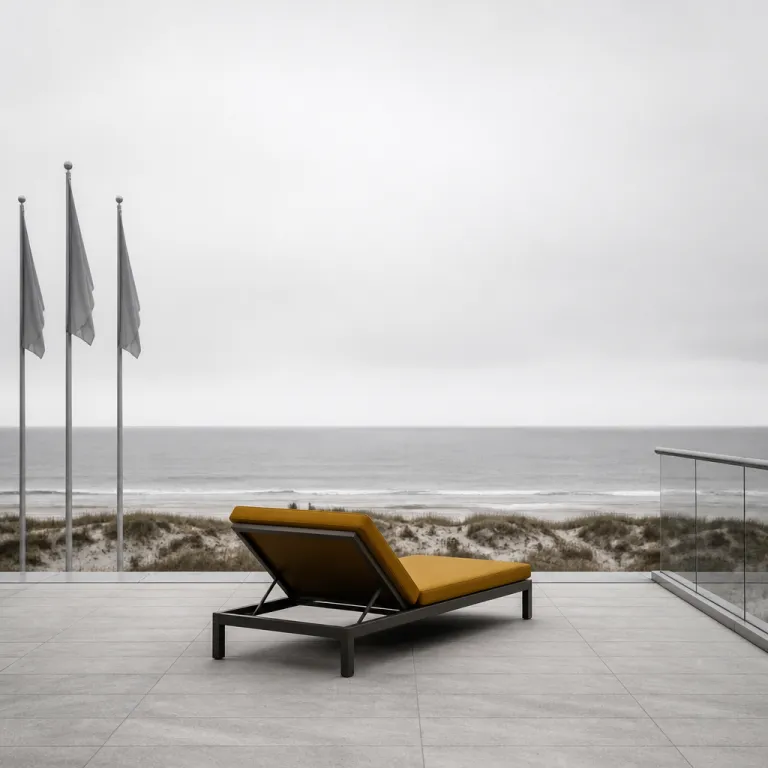
The Hague’s dual identity: suits, sand and the new Dutch luxury
The Hague is the only city in the Netherlands where a morning meeting near the International Court of Justice can turn into an afternoon swim in the North Sea. This dual identity shapes the entire landscape of The Hague luxury hotels, which balance diplomatic discretion with relaxed seaside ease in a way Amsterdam’s canal houses simply cannot match. For business-leisure travelers, the city offers a refined blend of polished service, efficient connections and genuine breathing space.
In the historic heart of The Hague, grand hotels stand beside ministries, embassies and the Binnenhof parliament complex. A five-star hotel in this city-centre setting often feels more like a private club than a conventional property, with rooms designed for both negotiation and recovery after long days. Many luxury hotels in The Hague are located within walking distance of the Mauritshuis, the Escher Museum and the Peace Palace, so your cultural agenda can be as ambitious as your meeting schedule.
Move west and the city changes character as tram lines glide towards Scheveningen, the beach district of Den Haag. Here, upscale seaside hotels shift from marble lobbies to sea-facing terraces, and the line between resorts and city hotels blurs in the salt air. This is where the North Sea breeze, the long promenade and the casual cafés remind you that Den Haag is as much a coastal escape as a political capital.
For travelers used to Amsterdam’s density, the rhythm of this city feels different. Traffic is calmer, the embassy quarter is leafy, and even the most formal hotel address in The Hague tends to offer free bicycles rather than black cars. That contrast is exactly why more executives now choose a stay in The Hague, then commute by train to Amsterdam when needed.
When you compare hotels and resorts across the country, The Hague’s proposition is clear. You gain access to government, international organisations and cultural institutions, yet you are fifteen minutes from Scheveningen’s sand and surf. The result is a portfolio of high-end accommodation across The Hague that speaks fluently to both the boardroom and the beach bar.
Hotel Des Indes and the art of diplomatic hospitality
Hotel Des Indes is the city’s most storied hotel, and staying here explains a great deal about Dutch hospitality at the highest level. The yellow façade of this nineteenth-century building on Lange Voorhout signals old-world glamour, yet the service culture is quietly modern and precise. Among luxury hotels in The Hague, this is the address where heads of state, royalty and discreet business delegations have checked in for generations.
The hotel is located on one of Europe’s most elegant tree-lined avenues, with the Mauritshuis and the main shopping streets only a short walk away. Inside, high ceilings, heavy drapes and deep carpets create an atmosphere that feels closer to a private residence than a standard city hotel, and every room is designed to absorb the rituals of diplomatic life. You notice it in the way staff manage arrivals, in the calm of the lounge and in the way meetings unfold over afternoon tea rather than in anonymous conference rooms.
For business-leisure travelers, Hotel Des Indes offers something rare in the Netherlands. You can hold a confidential breakfast in a corner of the restaurant, then be on a tram to Scheveningen within minutes, trading tie and jacket for a walk along the pier. Among all hotels in The Hague, very few combine this level of formality with such easy access to the North Sea.
The property’s history as Hotel Des Indes, linked to the former Dutch East Indies, still shapes its identity. Yet the current positioning is less about colonial nostalgia and more about being a living institution in Den Haag, where the guest list might include a UN delegation, a visiting orchestra and a family celebrating a milestone stay. That mix keeps the atmosphere vibrant rather than museum-like.
When you evaluate The Hague’s luxury hotels for a high-stakes trip, this hotel on Lange Voorhout often becomes the benchmark. It is not only a five-star property; it is also a lens on how the city handles power, privacy and ceremony. For a deeper comparison with other Dutch urban escapes, including Eindhoven’s design-driven properties, see this guide to a refined urban escape in Eindhoven and consider how different cities choreograph their own version of luxury.
Kurhaus Scheveningen and the case for seaside grand hotels
On the Scheveningen promenade, the Grand Hotel Amrâth Kurhaus feels like it belongs in Biarritz or Deauville rather than in the pragmatic Netherlands. Its monumental façade dominates the curve of the beach, and among The Hague luxury hotels it is the one that most clearly celebrates the city’s maritime side. When you step into the central hall, with its glass dome and sweeping staircases, you understand why this is often called the last true grand seaside hotel on the Dutch coast.
The Kurhaus is located directly on the sand, which makes it a natural choice for travelers who want resort-style amenities without leaving Den Haag. Many rooms face the sea, and even the city-view categories keep you connected to the rhythm of the promenade, the pier and the Ferris wheel. For executives extending a business trip, this setting turns a dense week of meetings into a stay that actually feels restorative.
Compared with other hotels and resorts in The Hague, the Kurhaus leans into spectacle. Summer evenings bring live music on the terrace, while winter storms turn the North Sea into a dramatic backdrop for a quiet drink in the bar, and both moods suit the building’s theatrical architecture. Yet service remains grounded, with staff used to handling conference groups, leisure guests and last-minute special offers for weekend stays.
From here, the rest of the city is surprisingly close. A short tram ride links Scheveningen to the city centre, the Mauritshuis and the Lange Voorhout cultural axis, so you never feel exiled from the royal quarter or the main shopping streets. That connectivity is one reason why many travelers now split their time between a night in a central hotel in The Hague and a night by the sea.
If you are mapping a broader Dutch itinerary, the Kurhaus also pairs well with other characterful cities. A few hours south, Maastricht offers a very different urban texture, as explored in this piece on the Dutch city that feels like it belongs somewhere else, and the contrast highlights just how singular Den Haag’s combination of parliament and promenade really is. For travelers who value both ceremony and sea air, this grand hotel remains a compelling choice.
Design forward stays: from Indigo The Hague to La Paulowna
Not every luxury-minded traveler in The Hague wants chandeliers and ballrooms. A new generation of design-forward boutique hotels across the city offers a more intimate scale, often in historic buildings that have been reimagined with sharp interiors and a strong sense of place. These properties suit guests who value narrative, neighbourhood and thoughtful details over sheer size.
Hotel Indigo The Hague – Palace Noordeinde is a good example of this shift, occupying a former bank building near the city centre and the main shopping streets. The hotel is located close to the Binnenhof and the Mauritshuis, and its rooms weave the site’s financial history into the décor with vault doors, safety deposit box details and rich colours that echo banknotes. Among The Hague luxury hotels, Indigo stands out for turning heritage into a playful, contemporary experience rather than a solemn one.
Across town, La Paulowna Boutique Hotel offers another design-led stay in a classic Den Haag townhouse near the Peace Palace and the embassy quarter. Here, high ceilings, large windows and carefully curated furniture create rooms that feel residential, which appeals to business-leisure travelers who prefer a softer landing after formal meetings. The hotel in this quieter part of the city still keeps you within easy reach of the royal palace area and the cultural spine that runs along Lange Voorhout.
These smaller properties sit alongside more established names like Hotel Des Indes and the Kurhaus, giving the luxury hotel scene in The Hague a healthy diversity. You can choose a grand building for the first part of your stay, then shift to a more intimate address for the weekend, experiencing different sides of Den Haag without changing city. That flexibility is one of the city’s underappreciated strengths compared with other destinations in the Netherlands.
For travelers planning a multi-city itinerary, combining these design-focused hotels in The Hague with characterful stays in cities like Maastricht or Eindhoven creates a nuanced picture of Dutch hospitality. Each property, from Indigo The Hague to La Paulowna, offers its own interpretation of what a good room, attentive service and a memorable stay should feel like. The result is a portfolio of options that rewards repeat visits and deeper exploration.
Why executives choose The Hague over Amsterdam
For many international executives, Amsterdam used to be the default base in the Netherlands. That assumption is changing fast, and The Hague luxury hotels are a major reason why, as they offer a calmer, more focused environment without sacrificing connectivity or culture. When your schedule is dense, the difference between a crowded canal belt and a measured embassy quarter becomes more than a lifestyle preference.
The Hague’s city centre is compact, with ministries, international organisations and the main hotels clustered within a walkable radius. A hotel located near the Binnenhof or the royal palace quarter allows you to move between meetings on foot or by tram, which reduces friction and makes the day feel less fragmented. Many properties also offer free bicycles, a small gesture that aligns with Dutch habits and gives you a sense of the city’s real pace.
Cost structures matter as well. Tourism taxes and average nightly rates in Den Haag often undercut comparable Amsterdam properties, especially at the upper end of the market, which makes The Hague’s luxury accommodation attractive for longer stays or for teams traveling together. When you add the ability to reach Scheveningen’s beach in around fifteen minutes, the value proposition becomes even stronger for business-leisure travelers who want a genuine break between calls.
Infrastructure supports this shift. Direct trains link The Hague to Amsterdam Schiphol Airport, Rotterdam and Brussels, while the city’s tram network connects the main hotel clusters with the Peace Palace, the International Court of Justice and the key shopping streets. That means you can schedule a morning briefing near the Mauritshuis, a working lunch in the embassy quarter and an evening walk along the North Sea without ever feeling rushed.
For those planning complex itineraries across multiple Dutch cities, it helps to step back and look at the national picture. This in-depth guide to accommodation in the Netherlands outlines how different regions price and position their hotels and resorts, and The Hague consistently emerges as a strong value play at the premium level. When you combine that with the city’s distinctive mix of suits and sand, it is easy to see why more executives now make Den Haag their base.
Art, heritage and the city beyond the lobby
One of the quiet advantages of The Hague luxury hotels is how closely they are woven into the city’s cultural fabric. Step out of Hotel Des Indes and you are moments from the Mauritshuis, home to Vermeer’s Girl with a Pearl Earring and a compact collection that rewards slow looking. Walk a little further and Lange Voorhout opens up, lined with trees, embassies and seasonal sculpture exhibitions that turn the avenue into an open-air gallery.
Many hotels in The Hague curate their own connections to this art circuit. Concierges routinely arrange timed tickets for the Mauritshuis, the Escher Museum and Kunstmuseum Den Haag, while some hotels host small exhibitions in their public spaces, blurring the line between lobby and gallery. For guests, this means the cultural experience begins before you even step outside the building.
Architecture is part of the story too. From the neo-renaissance grandeur of Hotel Des Indes to the former bank building that now houses Hotel Indigo The Hague, the city’s most interesting hotels occupy structures that speak to different chapters of Den Haag’s history. Staying in these spaces gives you a tactile sense of how the royal quarter, the government district and the seaside suburbs have evolved over time.
Beyond the museums, the city centre offers a network of shopping streets that feel more local than touristic. The Denneweg and the Noordeinde area, near Palace Noordeinde, mix independent galleries, design shops and cafés where civil servants and creatives share tables, and many hotels located nearby will point you towards their favourite addresses. This everyday texture is where the city’s understated character really emerges.
For travelers who measure a stay not only in thread counts but in context, The Hague delivers. The city’s luxury hotels act as both shelter and gateway, connecting you to art, politics and the North Sea in a single, coherent narrative. That integration is what turns a good room into a memorable stay.
Practical tips for booking The Hague’s coastal and urban escapes
Planning a stay in The Hague starts with choosing your axis: city, sea or a deliberate mix of both. If your schedule is heavy on meetings near the royal palace quarter, the Binnenhof or the embassy district, a hotel located in the city centre will minimise transit time and keep you close to key institutions. For those who value early-morning runs on the sand or sunset walks, Scheveningen’s beachfront resorts become the natural choice.
When comparing The Hague luxury hotels, pay attention to how each property balances business and leisure needs. Some addresses lean towards conference facilities and formal dining, while others prioritise wellness areas, relaxed lounges and easy access to the North Sea, and the right mix depends on how you structure your days. Look for special offers that bundle tram passes, museum tickets or late check-out, as these can add real value without compromising on quality.
Transport logistics are straightforward. Den Haag has two main train stations, both linked to Amsterdam Schiphol Airport and other Dutch cities, and trams connect these hubs with the city centre, the royal palace area and Scheveningen’s promenade. Many hotels provide free bicycles, which is often the most efficient way to move between meetings, museums and the beach.
Seasonality matters along the coast. Summer brings a lively atmosphere to Scheveningen, with beach clubs, events and long evenings on the terraces, while autumn and winter offer quieter stays where the drama of the sea becomes the main attraction. Booking patterns for The Hague luxury hotels reflect this, so securing a room with a sea view or a particular room category is often easier outside peak months.
For business-leisure travelers extending a work trip, the key is to design a stay that feels coherent. Start with a central hotel in The Hague for the most meeting-intensive days, then shift to a beachfront address once your schedule loosens, allowing the city’s dual identity to work in your favour. Handled this way, The Hague becomes less a backdrop and more an active partner in your trip.
Key figures on The Hague’s luxury and coastal hospitality
- The Hague welcomes well over a million hotel guests per year, with a substantial share traveling for business-related purposes, which underpins the strong premium and luxury segment in the city centre (based on recent tourism statistics from the Municipality of The Hague).
- Scheveningen’s beachfront district accounts for a significant proportion of all hotel beds in Den Haag, illustrating how central the North Sea coast is to the city’s overall hospitality offer (as reported by The Hague & Partners in accommodation overviews).
- Average travel time by tram from the city centre to Scheveningen beach is about 15 minutes, making The Hague one of the few European political capitals where guests can move from parliament to promenade in under half an hour (according to the HTM public transport network).
- The Mauritshuis holds a focused collection of several hundred paintings, including works by Vermeer, Rembrandt and Rubens, which allows luxury hotels in The Hague to build high-impact cultural experiences into even short stays (as outlined in the Mauritshuis collection overview).
- Hotel capacity in The Hague has expanded markedly over the past decade, with a notable increase in four- and five-star openings that target business-leisure travelers seeking both efficiency and coastal access (drawing on accommodation data from the Dutch Central Bureau of Statistics).
FAQ about The Hague luxury hotels and coastal stays
Is The Hague a good alternative to Amsterdam for luxury stays?
The Hague is an excellent alternative to Amsterdam for travelers who prioritise calm streets, proximity to government institutions and quick access to the North Sea. The city’s luxury hotels offer high service standards, strong business facilities and easier access to beaches than any Amsterdam property can provide. Travel times to Schiphol Airport remain competitive thanks to frequent direct trains.
Where should I stay if I want both meetings and beach time?
If you need to balance meetings with beach time, consider splitting your stay between the city centre and Scheveningen. Start in a hotel located near the Binnenhof, the royal palace quarter or Lange Voorhout for work-heavy days, then move to a beachfront property like the Kurhaus once your schedule lightens. The short tram ride between the two districts makes this transition seamless.
Which luxury hotels in The Hague are best for art lovers?
Art-focused travelers often choose Hotel Des Indes for its position on Lange Voorhout, within walking distance of the Mauritshuis and several galleries. Design-oriented guests may prefer Hotel Indigo The Hague – Palace Noordeinde, housed in a former bank building with interiors that reference its history. Both options integrate cultural access into the stay, making it easy to combine museum visits with business commitments.
How far are The Hague’s main hotels from the beach?
Most central hotels in The Hague are around 4 to 5 kilometres from Scheveningen beach, which translates into roughly 15 minutes by tram or 20 minutes by bicycle. Beachfront properties in Scheveningen sit directly on the promenade, so you can step from the lobby onto the sand. This compact geography is one of the city’s main advantages for business-leisure travelers.
When is the best time to book The Hague’s luxury hotels?
Peak demand for The Hague luxury hotels usually coincides with major conferences, political events and the summer beach season. For better availability and more attractive special offers, consider late spring or early autumn, when the weather is still pleasant but crowds are lighter. Booking several weeks in advance is advisable if you want specific room categories or sea views.