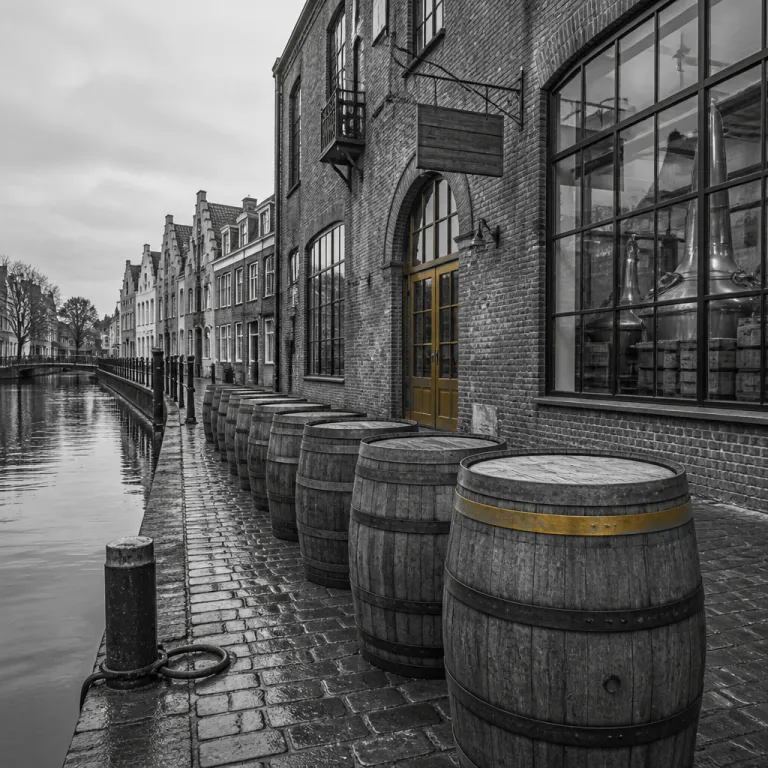
Why jenever belongs at the heart of luxury travel in the Netherlands
Jenever is to the Netherlands what single malt whisky is to Scotland. This malt spirit is woven into Dutch city life, from canal side tasting rooms to quiet hotel bars where locals still order it in tulip shaped glasses. When you plan jenever distillery hotels in the Netherlands, you are not just booking a room, you are stepping into a living spirit culture.
For the luxury traveler, jenever offers a deeper layer of amsterdam dutch hospitality than any generic gin amsterdam menu ever could. A traditional jenever distillery works with a high percent malt wine base, creating a grain rich character that feels closer to whisky than to London dry gin, and this difference shapes how serious hotel bars curate their cocktail lists. As one expert summary puts it with clarity, “What is jenever? A traditional Dutch juniper-flavored spirit.”
Understanding the basics helps you read a bar menu with confidence in any city across the netherlands. Jonge jenever usually contains a lower percent malt spirit and tastes lighter, while oude jenever carries more malt richness even when it is not necessarily older in age. Think of jonge for long drinks in cocktail bars and oude for slow sipping in a quiet house distilled setting, perhaps paired with a cold beer in the classic Dutch courage ritual.
From amsterdam canal houses to Schiedam windmills: mapping your jenever trail
Start your jenever trail in amsterdam, where centuries of trade turned the city into a global spirits hub. Around Dam Square and the historic light district, you will find tasting rooms that feel almost unchanged, even as the red light streets outside have evolved into a complex urban theatre. A well planned day trip from the capital lets you balance serious guided tours with relaxed sipping in atmospheric bars.
Schiedam, just west of Rotterdam, is the historic jenever capital of the netherlands and still feels like a working distillery town. The skyline is punctuated by the tallest traditional windmills in the world, once used to mill grain for every major jenever distillery, and today the Jenevermuseum and the signed Jeneverroute walking trail explain how this industry shaped the city. Many guided tours here include structured tasting flights that compare jonge, oude and aged genever styles, often served in traditional tulip shaped glasses that focus the aroma of the spirit.
Rotterdam adds a contemporary counterpoint, with design forward hotels and cocktail bars that treat jenever as a modern ingredient rather than a nostalgic relic. If you are planning a refined city escape, use a curated guide to luxurious things to do in Rotterdam to align your jenever stops with architecture, galleries and waterfront walks. Linking amsterdam, Schiedam and Rotterdam over two or three nights gives you a compact itinerary that still feels rich in content and generous in sensory detail.
Amsterdam’s historic tasting rooms and hotel bars worth booking around
In amsterdam, the most rewarding jenever experiences often hide behind unassuming doors off busy streets. Wynand Fockink, tucked just behind Dam Square, operates as both a distillery and a tasting room, with rows of house distilled jenevers and liqueurs poured to the brim in small tulip shaped glasses. Here you can taste malt spirit expressions that show how different grain bills and botanicals change the character of genever.
Nearby, Proeflokaal De Drie Fleschjes offers another classic amsterdam dutch setting, its walls lined with barrels and its bar staff happy to explain the difference between jonge jenever and oude jenever in clear English. A short walk away, the intimate Wynand Fockink bar counters the neon of the red light alleys with candlelight and polished wood, creating a calm pocket where you can pair a neat pour with a carefully made gin amsterdam style cocktail. For a more local neighborhood feel, head east to Nieuwe Diep, a distillery and tasting room in a former pumping station, where the building itself tells a story of water, trade and urban expansion.
Several central hotels now build their identity around this heritage, integrating jenever into minibar selections, welcome amenities and signature cocktail lists. A property such as the WestCord City Centre Hotel Amsterdam works well as an elegant urban base, placing you within walking distance of Wynand Fockink, De Drie Fleschjes and the House of Bols experience. When you book jenever distillery hotels in the Netherlands, look for bar programs that name producers like Van Wees, Nieuwe Diep and Wynand Fockink explicitly, because that transparency signals real engagement with the spirit.
Inside the stills: Bols, Van Wees and the craft renaissance
To understand why jenever is regaining status among discerning travelers, you need to step inside at least one working distillery. House Bols in amsterdam, often referred to as House of Bols, combines a museum style exhibition with a sleek cocktail bar, where guided tours end in a tasting flight and a made to order drink that highlights either jenever or gin. The brand’s long history anchors the narrative, but the experience feels current, with interactive content and a focus on how bartenders worldwide use Bols products today.
For a more traditional perspective, Van Wees in amsterdam represents the city’s last classic family owned jenever distillery, producing house distilled spirits in relatively small batches. Here the emphasis is on malt spirit character, with some expressions carrying a high percent malt wine content that appeals to whisky drinkers who usually ignore gin. Tastings often compare jonge and oude styles side by side, showing how even small shifts in grain composition and aging transform the same basic genever recipe.
Smaller producers such as Nieuwe Diep in the eastern part of the city and regional distillers along the Schiedam Jeneverroute contribute to a broader craft movement. Across the netherlands, there is a documented revival of traditional distilling methods, with around fifty active distilleries and an annual jenever production measured in millions of liters, which signals both local loyalty and growing international curiosity. When you book hotels along this trail, ask whether they can arrange guided tours or private tastings with nearby distilleries, because that level of access turns a simple stay into a genuinely immersive journey.
How to choose and book jenever focused hotels for an urban escape
Choosing the right base for a jenever themed trip means looking beyond thread count and lobby design. In amsterdam, Schiedam and Rotterdam, the best jenever distillery hotels in the Netherlands treat the spirit as part of their cultural program, not just another bottle on a generic gin shelf. You want a property where the bar team can explain the difference between jonge jenever and oude jenever, recommend a local malt spirit and serve it properly in a tulip shaped glass.
Start by checking whether the hotel bar lists specific producers such as Bols, Van Wees, Wynand Fockink, Nieuwe Diep or other house distilled labels from the region. A serious menu will often feature both neat pours and cocktails, perhaps a Dutch courage style pairing of jenever and beer, alongside more contemporary gin amsterdam influenced drinks that still foreground genever. Some luxury properties now offer in room tasting sets, curated with small bottles from several distilleries and printed content explaining the history of each spirit, which turns a quiet evening into a private masterclass.
When you book, ask the concierge whether they can arrange guided tours at nearby distilleries or secure seats at sought after cocktail bars that specialize in jenever. In cities where nightlife can feel dominated by the light district and red light tourism, this approach steers you toward more thoughtful experiences that still feel distinctly urban. If your trip also includes special occasions, you can even align your stay with elegant venues from a curated guide to luxury wedding locations in the Netherlands, combining coastal romance with a city based jenever trail.
Practical tips for solo explorers following the jenever trail
Traveling alone along the jenever trail offers a rare mix of freedom and structure. In each city, you can shape your own rhythm, moving from a quiet afternoon distillery tour to an early evening tasting room session and then to a late night bar visit, without negotiating anyone else’s schedule. To keep the experience balanced, alternate intense guided tours with unplanned walks through historic neighborhoods, letting the architecture and the smell of malt spirit drifting from old buildings fill in the story.
Many distilleries and tasting rooms now maintain active Facebook and Instagram profiles, which makes it easier to check opening hours, special events and limited release tastings before you arrive. Use these channels to see how locals enjoy genever in everyday life, whether as a quick shot at the bar or as part of a more elaborate cocktail ritual in contemporary cocktail bars. When you share your own impressions online, focus on the sensory details — the weight of the tulip shaped glass in your hand, the way a high percent malt jenever warms slowly, the contrast between candlelit interiors and the neon of the nearby light district.
Finally, remember that jenever is a national spirit with deep roots, not a novelty drink to tick off a list. Respect local customs, such as leaning down to sip the first mouthful hands free when the glass is filled to the brim, and listen when bartenders explain why some house distilled expressions should never be mixed with tonic like a simple gin. If you approach the trail with curiosity and care, the jenever distillery hotels in the Netherlands will reward you with a richer understanding of Dutch culture than any standard sightseeing circuit could offer.
FAQ: jenever, distilleries and hotel stays in the Netherlands
What is jenever and how does it differ from gin ?
Jenever is a traditional Dutch juniper flavored spirit made from a malt spirit base, while most modern gin uses a neutral grain spirit. This malt component gives genever a rounder, grain forward profile that can resemble young whisky more than classic gin. Because of this, many jenever distillery bars in the Netherlands serve it neat or with beer, rather than in the tonic based serves associated with gin amsterdam culture.
Can I visit jenever distilleries during a city break ?
Yes, many Dutch distilleries welcome visitors and offer guided tours combined with structured tasting sessions. In amsterdam, House Bols and Van Wees both provide educational experiences, while Schiedam’s Jenevermuseum and surrounding distilleries anchor the historic Jeneverroute. Always check distillery opening hours in advance and book tours early, especially if you want English language explanations or smaller group formats.
How should I order jenever in a hotel bar ?
Start by asking the bartender which jenevers they recommend, then decide between jonge jenever, which is lighter, and oude jenever, which is maltier and often richer. In serious hotel bars, staff will usually serve it in a small tulip shaped glass, sometimes filled to the brim in the traditional style. You can drink it neat, pair it with a beer for Dutch courage, or ask for a cocktail that highlights the spirit rather than hiding it.
Is jenever tourism only for experts, or suitable for beginners too ?
Jenever focused travel works very well for curious beginners, because many distilleries and tasting rooms are set up for cultural tourism rather than technical trade visits. Exhibitions in places like House Bols or the Jenevermuseum explain history, production and flavor in clear language, often with multilingual content. As long as you pace your tastings and ask questions, you will find the scene welcoming, whether you usually drink whisky, gin or neither.
How many distilleries are active in the Netherlands today ?
Across the netherlands, around fifty active distilleries produce jenever and related spirits, with annual output measured in several million liters. This scale reflects both long standing domestic demand and a growing international interest in Dutch craft spirits. For travelers, it means you can design itineraries that combine large heritage brands with smaller house distilled producers, all within manageable travel distances between cities.