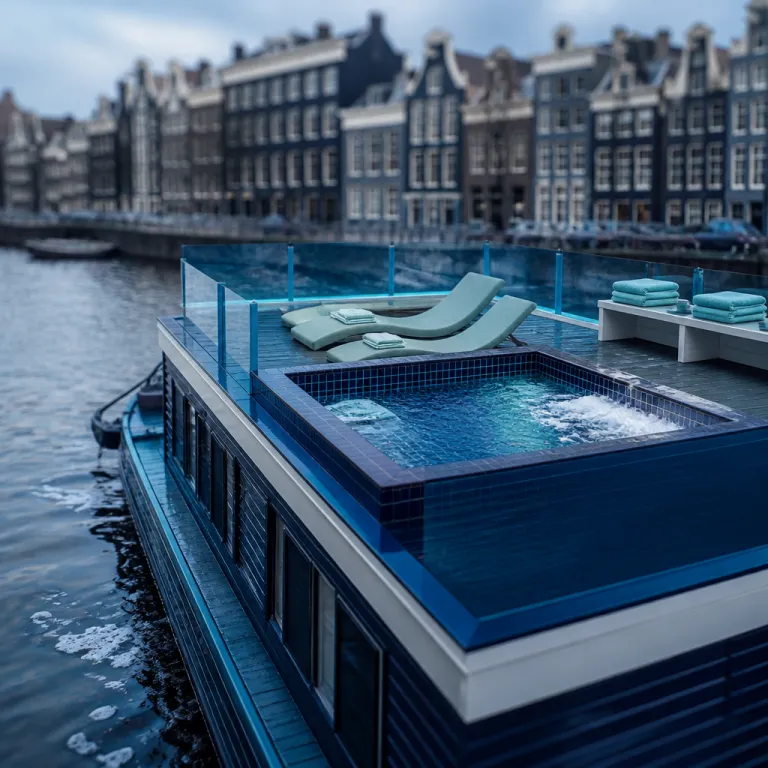
Dutch spa culture versus Alpine and Scandinavian wellness
Book spa hotels in the Netherlands expecting water, warmth and a quietly social atmosphere. Dutch wellness culture grew from practical bathing traditions, so most spa retreats focus less on spectacle and more on circulation, hydrotherapy and time to unwind. Compared with Alpine retreats, a spa hotel in the Netherlands offers less altitude and snow drama, but far more emphasis on pools, saunas and easy access for an overnight stay close to the city.
Where Scandinavian wellness leans into pale timber aesthetics and silence, Dutch hotel spa concepts are more functional, direct and often pleasantly unpretentious. You will still find a five star hotel spa with beautiful rooms and a refined view, yet the staff will talk frankly about the best sauna circuit, the exact price of treatments and any extra fees before you even ask. That openness builds trust for international guests who may be used to opaque spa menus in other countries.
Across the Netherlands there are roughly 200 dedicated spa locations, according to figures cited by Holland.com in its wellness overview (accessed May 2024), and many luxury hotels now integrate full wellness facilities into their design. These spa hotels range from a grand hotel on a canal to a contemporary resort located in the dunes, but they share a similar rhythm of morning, afternoon and evening sessions. Dutch spa goers treat a wellness day as social time, so expect couples, friends and solo guests moving between sauna, hot tub and cold plunge rather than hushed, solitary rituals.
Mixed saunas, nudity norms and how to prepare
The most striking difference in spa hotels Netherlands wide is the approach to nudity and gender. Many Dutch spas have nude policies; some offer clothed days. That means a wellness hotel or hotel spa may operate mixed gender sauna areas where swimwear is not allowed, which can surprise an international guest on their first stay.
Rather than being provocative, this mixed and nude culture reflects Dutch ideas about equality, health and practicality. Are Dutch spas co-ed? Yes, most Dutch spas are mixed-gender. Staff in every superior hotel or resort will explain the rules clearly at booking, and signage around the sauna and hot tub zones is usually unambiguous, which helps guests relax quickly.
To feel comfortable, check spa nudity policies before your day visit or overnight stay and pack accordingly. What should I bring to a Dutch spa? Bring a towel, sandals and water. Many wellness facilities provide robes in the rooms and suites, but bringing your own sandals and an extra towel is common among Dutch spa goers who treat a wellness overnight as part ritual, part routine.
Fort Resort Beemster and the rise of fortress wellness
Nowhere captures Dutch wellness originality better than Fort Resort Beemster, a hotel spa and thermal complex located inside a UNESCO World Heritage fortress north of Amsterdam. This fort resort combines thick earth walls, serene water views and contemporary wellness facilities, turning military engineering into a cocoon for guests. For couples planning a spa hotels Netherlands itinerary, a night here feels both romantic and quietly radical.
Fort Resort Beemster is evolving again with a major expansion planned for fall 2026, according to the resort’s own announcements in its 2023–2024 news updates, adding a second infusion sauna, a new steam bath, an infrared sauna and meditation rooms with singing bowl sessions. The Fort Resort Beemster team aims to heat baths using residual sauna heat, a very Dutch, energy conscious twist that keeps the experience sustainable without compromising luxury. You can read a detailed review of sleeping inside this fortress turned wellness sanctuary on our dedicated Fort Resort Beemster hotel feature, which covers rooms, suites, restaurant and every sauna circuit.
For couples, the magic lies in the contrast between raw brick casemates and soft spa lighting, between the history outside and the hot tub jets inside. A wellness overnight here often starts with a late afternoon sauna round, continues with dinner in the grand hotel style restaurant and ends with a quiet walk along the moat under big North Holland skies. Compared with a typical star hotel in Amsterdam, the price per night is often competitive once you factor in access to extensive wellness facilities and the unique fortress setting.
How to book and what to expect on arrival
When booking Fort Resort Beemster or any similar wellness hotel, pay attention to what is included in the room price. Some spa packages bundle unlimited access to the thermal facilities, while others charge reduced fees per day or per session, which can change the value of a two night stay. For couples, a package that combines an overnight stay, breakfast and full spa access usually offers the best balance between cost and experience.
On arrival, expect a very Dutch check in ritual that blends efficiency with warmth. Staff will outline the spa map, explain which sauna sessions are scheduled that day and clarify any extra fees for treatments or late checkout, so there are no surprises for guests later. This transparency is part of why Dutch spa hotels earn strong repeat business from international travelers who value clear information as much as a beautiful view from the hotel terrace.
Amsterdam spa stays: urban wellness on the edge of the forest
Amsterdam spa culture sits at the intersection of city energy and green calm, and the best spa hotel options lean into that contrast. A hotel in Amsterdam with serious wellness facilities will often be located just beyond the canal belt, where space allows for larger pools, saunas and quiet suites. For couples, this means you can spend the day exploring museums, then retreat to a hotel spa that feels like a different world at night.
One of the most interesting examples is Spa Sport Hotel Zuiver, a hotel Amsterdam address on the edge of the Amsterdamse Bos forest. Our in depth review of this refined wellness, sport and stay concept is available in the Spa Sport Hotel Zuiver Amsterdam guide, which details every sauna, pool and treatment. Here, Dutch directness shows up in the way staff talk about wellness, focusing on circulation, recovery and mental reset rather than vague promises.
Compared with a traditional star hotel in the city center, these Amsterdam spa hotels often feel more like urban resorts. You might wake up in minimalist rooms and suites, spend the morning in a mixed sauna circuit, then cycle into the city for lunch before returning for a hot tub session at sunset. For couples planning a wellness overnight, this rhythm turns a simple hotel stay into a full wellness experience without leaving the Amsterdam area.
Pricing, fees and how to read Dutch spa offers
When comparing spa hotels Netherlands wide, you will notice a clear, almost blunt approach to pricing. Dutch hotels usually separate the room price, spa access and any extra wellness facilities or treatments, listing each fee explicitly on the booking page. That means a hotel in Amsterdam might advertise an attractive night rate, but you should always check whether spa access is included or sold as a day pass.
This transparency helps couples tailor their stay to their budget without sacrificing quality. If you plan to spend most of the day in the sauna, hot tub and relaxation rooms, a package that includes unlimited spa access will usually offer better value than paying separate fees. For guests who only want a quick Amsterdam spa session before dinner, a lower room price with optional spa entry can make more sense.
Either way, the Dutch habit of listing every cost upfront reduces the risk of unpleasant surprises at checkout. It also reflects a broader cultural preference for honesty over marketing gloss, which many international guests find refreshing once they understand it. In practice, this means you can compare wellness offers across the Netherlands with confidence, focusing on the quality of the experience rather than hidden charges.
North Sea thalassotherapy and coastal spa hotels
Move away from Amsterdam and you meet another face of Dutch wellness, shaped by the North Sea. Along the coast, spa hotels use seawater, sea air and marine minerals as core ingredients in their wellness facilities, echoing classic thalassotherapy traditions. For couples, a night in a coastal spa hotel combines long beach walks with saltwater pools and treatments that draw directly from the surrounding landscape.
These coastal wellness concepts often include indoor and outdoor pools filled with heated seawater, inhalation rooms that amplify the effect of sea air and body treatments using algae or marine mud. Compared with Alpine wellness, where altitude and mountain views dominate, Dutch coastal hotels focus on the horizontal line of the sea and the rhythm of tides. You might book a sea view room located directly behind the dunes, then spend the day alternating between the beach, sauna and hot tub while the wind shapes the sand outside.
North Sea spa hotels in the Netherlands also tend to attract a mix of Dutch spa goers and German or Belgian guests, which creates a relaxed, international atmosphere. The wellness overnight packages usually include breakfast, spa access and sometimes a late checkout, making them ideal for a two night romantic escape. For couples who value fresh air as much as massage, these coastal spa hotel stays offer a compelling alternative to city based hotel spa experiences.
How Dutch thalassotherapy differs from other European coasts
Compared with French Atlantic or Mediterranean thalassotherapy centers, Dutch coastal wellness hotels feel less formal and more integrated into everyday life. Locals treat a day at the spa as casually as a walk on the beach, and many guests combine treatments with simple pleasures like cycling along the dunes or eating fresh fish in nearby villages. This informality extends to the design of wellness facilities, which prioritize function and comfort over theatrical architecture.
For couples, that means you can move easily between roles during your stay, being a spa guest in the morning and a beach wanderer by afternoon. Packages often allow flexible access across the day, so you are not locked into rigid time slots for sauna or treatments. The result is a wellness experience that feels lived in rather than staged, anchored in the specific climate and culture of the Dutch coast.
When evaluating these hotels, pay attention to how directly they use the sea in their wellness offerings. A true thalassotherapy style spa hotel will highlight seawater pools, marine based treatments and sometimes even guided breathing sessions on the beach. If those elements matter to you, read the fine print of each spa description before booking your overnight stay.
Design led wellness: from fortress walls to Rotterdam skylines
Design is another lens through which Dutch spa hotels stand apart, especially for travelers who care about architecture as much as wellness. Properties like Fort Resort Beemster show how historic structures can host contemporary wellness facilities without losing their soul. In cities such as Rotterdam, new wellness concepts rise inside glass towers and repurposed warehouses, turning skyline views into part of the spa experience.
If you are drawn to architecture, explore our guide to Rotterdam’s architectural hotels, which highlights several properties where wellness plays a quiet but important role. These hotels may not market themselves primarily as spa hotels, yet they often include compact but thoughtful wellness facilities, from rooftop hot tubs to intimate sauna suites. For couples, a night in such a view hotel can feel like inhabiting a piece of Dutch design history while still enjoying a restorative stay.
Across the Netherlands, the latest spa design trends are filtering into both grand hotel landmarks and smaller, design forward properties. Expect sound absorbing architecture that softens conversation in relaxation rooms, VR enhanced relaxation experiences for guests who enjoy guided journeys and private recovery suites for two that feel purpose built for couples. These elements align with global wellness data from organizations such as the Global Wellness Institute and design platforms like Hotel Designs, but the Dutch execution remains grounded, practical and quietly luxurious.
Why Dutch wellness design feels different
Unlike some Alpine resorts where the spa is a showpiece for social media, Dutch hotels tend to design wellness spaces for repeat use by locals as well as travelers. That means durable materials, intuitive layouts and a focus on circulation between sauna, shower, plunge pool and rest areas. For couples, this translates into spa circuits that feel easy to navigate, even on a first visit.
Lighting is usually warm but not theatrical, and many spa hotels favor views of water, gardens or fortress walls over dramatic mountain panoramas. In a superior hotel with a strong wellness focus, you might find a quiet reading room located between the sauna and treatment area, encouraging longer, slower stays. This design language supports the Dutch idea of wellness as part of everyday life rather than an occasional spectacle.
When choosing between hotels Netherlands wide, look beyond the number of saunas or size of the pool. Pay attention to how the spaces connect, whether there are calm corners for two and how the hotel integrates wellness into the overall stay. Those details often matter more for a romantic overnight stay than the headline features on a brochure.
How to choose the right Dutch spa hotel for your stay
Selecting the right spa hotel in the Netherlands starts with clarifying what you and your partner want from the experience. Are you seeking a socially vibrant day with multiple sauna sessions, or a quiet wellness overnight focused on sleep and recovery? Your answer will guide whether you choose a grand hotel style resort, a fortress spa, a coastal thalassotherapy property or an urban Amsterdam address with compact but high quality wellness facilities.
Next, consider practicalities such as travel time, price per night and how much of your stay you plan to spend inside the spa. If wellness is the main focus, prioritize packages that include unlimited access to sauna, hot tub and pools, even if the room price is slightly higher. For couples who want to explore cities or countryside as well, a flexible package with partial spa access may offer better value.
Finally, read guest reviews with an eye for details that matter to you as a couple. Look for comments about cleanliness of wellness facilities, clarity of nudity policies, noise levels in relaxation rooms and the attitude of staff toward first time spa guests. These human factors often shape your experience more than the number of stars on the hotel sign or the size of the rooms and suites.
Etiquette, timing and making the most of your wellness overnight
To align with local etiquette, arrive on time for any booked treatments and respect the quiet zones around saunas and relaxation rooms. Dutch spa goers value communal calm, so keep conversations low and phones away from wellness areas. If you are unsure about any rule, ask staff directly, as Dutch directness means you will receive a clear, friendly answer.
Timing also shapes your experience. Morning sessions tend to be quieter, ideal for couples who want a peaceful sauna circuit before breakfast, while late afternoon and evening can feel more social as guests return from day trips. Planning your spa time around these rhythms can turn a simple overnight stay into a carefully paced wellness experience.
Above all, give yourselves permission to slow down. A Dutch spa hotel stay is less about ticking off facilities and more about letting the day stretch between sauna, pool, rest and simple meals. When you embrace that pace, you start to understand what makes wellness in the Netherlands feel different from anywhere else.
Key figures and trends in Dutch wellness stays
- The Netherlands hosts around 200 dedicated spa locations, according to Holland.com’s wellness statistics (consulted May 2024), which is a high density for a relatively small country and helps explain the strong local spa going culture.
- Wellness experiences operate year round with morning, afternoon and evening sessions, allowing couples to plan spa hotels Netherlands stays in any season rather than only in winter.
- Trends such as increased popularity of home spas and growing interest in beer spas show how Dutch wellness is expanding beyond traditional hotel spa environments into everyday life.
- Mixed gender and often nude sauna policies remain standard across many Dutch wellness facilities, making it essential for international guests to check spa rules before booking.
- Upcoming expansions at properties like Fort Resort Beemster, including new saunas and meditation rooms announced for 2026, signal ongoing investment in high quality wellness infrastructure across the country.
FAQ about Dutch spa hotels and wellness culture
Do Dutch spas require nudity and how does that affect my stay
Many Dutch spa hotels and day spas operate with nude policies in sauna and pool areas, especially during standard mixed gender days. This is seen as hygienic and egalitarian rather than provocative, and staff explain the rules clearly at check in. Some wellness facilities offer specific clothed days or hours, so check the schedule before booking if you prefer to wear swimwear.
Are Dutch spa hotels mixed gender
Yes, most Dutch spas are mixed-gender, and that includes many hotel spa complexes attached to luxury hotels. Couples can move through sauna circuits together, which is part of the appeal for romantic wellness overnight stays. If you prefer single gender spaces, look for properties that offer women only or men only sessions on certain days.
What should I bring to a Dutch spa hotel
For a typical spa hotels Netherlands stay, pack at least one swimsuit for any clothed areas, plus sandals, a spare towel and a light bag for moving between rooms. Many wellness hotels provide robes and basic towels in the rooms and suites, but having your own sandals and an extra towel is more comfortable. Staying hydrated is important, so carry a refillable water bottle for use in designated lounge areas.
How many days do I need for a Dutch wellness overnight
One night is enough for a first taste of Dutch wellness culture, especially if you arrive early to use the facilities before check in. For a deeper reset, couples often book two nights, allowing one full day dedicated to sauna, hot tub and treatments and another day for exploring the surrounding city or countryside. Longer stays work well at coastal or fortress resorts where the environment itself is part of the wellness experience.
How do Dutch spa hotels differ from those in the Alps or Scandinavia
Dutch spa hotels focus more on water, saunas and social relaxation than on mountain scenery or minimalist design statements. Compared with Alpine resorts, you will find less emphasis on altitude and more on hydrotherapy circuits and year round accessibility. Compared with Scandinavian wellness, Dutch facilities feel slightly less aesthetic but more functional and direct, with clear pricing, practical layouts and a strong culture of everyday spa going.