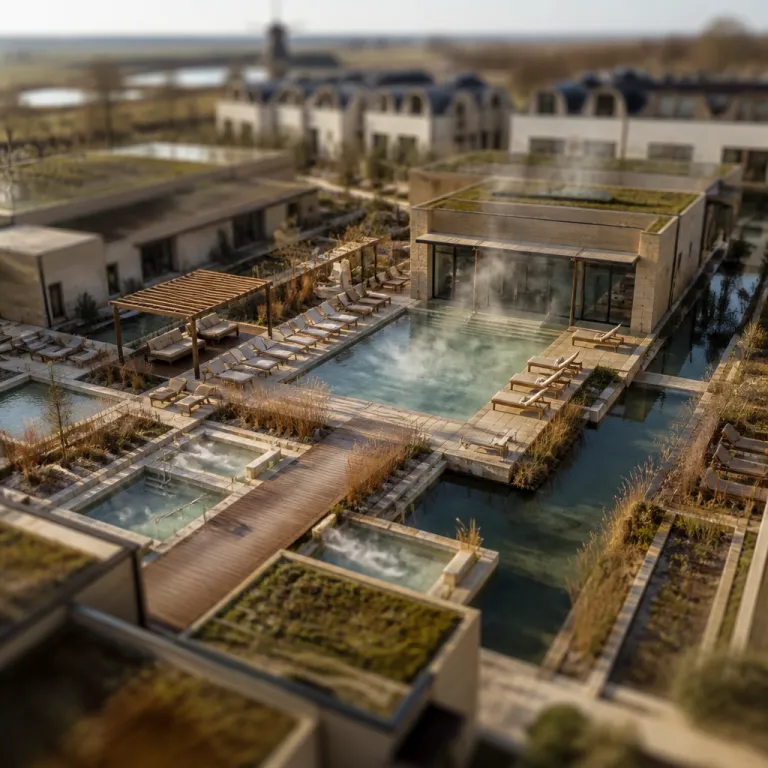
Understanding what is the industry of thermenresorts nl for luxury spa travellers
Thermen Resorts is a Dutch hospitality group with six wellness destinations, operating firmly within the wellness and fitness services industry.1 When travellers wonder what kind of business thermenresorts.nl represents, they are really asking how a collection of integrated wellness resorts and wellness hotels has reshaped premium spa travel in the Netherlands. For guests comparing luxury hotels, the answer lies in how each thermen resort combines saunas, baths, wellness facilities, and hotel thermen stays into one seamless, resort-style experience.
The company behind Thermen Resorts focuses on wellness, saunas, baths, and thermal therme-style bathing rather than conventional city hotels. Its resorts are located in tranquil Dutch landscapes, where the atmosphere and architecture are designed to slow your breathing and lengthen your stay. This positioning within the wellness sector means that every thermen resort functions as both a wellness retreat and a full-service hotel, with resort offers that bundle access to saunas, baths, wellness rituals, and overnight accommodation.
From a hospitality journalist’s view, the strength of this company is its clear focus on international wellness tourism and sustainable operations. Official information on the Thermen Resorts website confirms that the group operates six wellness resorts in the Netherlands and that “Spa, sauna, beauty treatments, and hotel accommodations” are at the core of its service offering.1 When you look at the business category behind thermenresorts.nl, you see a specialised wellness and fitness services segment that sits between classic spa hotels and destination health retreats.
For travellers using a luxury hotel booking website, this industry definition matters because it shapes what you can expect on arrival. Instead of a standard resort website promising only rooms and restaurants, each website Thermen page highlights extensive saunas, sauna rituals, and baths wellness zones as the primary draw. When you view full details on the resort website, you will notice that the number of treatment rooms, pools, and thermen facilities is described as carefully as the suites and restaurants.
Thermen Resorts is also part of a wider international wellness movement that links hospitality with preventive health. The company’s Green Key Gold certification, listed in its sustainability information, signals that its role in the market includes promoting responsible tourism, not just selling spa days.2 For guests planning a thermen holiday, this means your visit supports a wellness industry that values energy-efficient saunas, responsible water use in therme pools, and partnerships with local producers.
Another way to understand the sector in which thermenresorts.nl operates is to compare it with traditional beach or golf resorts. Classic resorts focus on leisure activities first, while a wellness resort like a thermen resort puts hydrotherapy, heat experiences, and quiet relaxation spaces at the centre of the stay. This focus influences everything from the resort offers on the website to the privacy policy that explains how your health-related preferences and booking data are handled.
Because Thermen Resorts operates several hotels, its footprint extends into the premium accommodation market. These hotel thermen properties are integrated into the thermen resorts rather than standing alone, so you can move from your room directly to saunas, baths, pools, and relaxation lounges. For many international guests, this combination of wellness resorts and wellness hotels in one company is what makes the Netherlands a serious player in international wellness travel.
When you browse a booking platform and filter for wellness hotels, you will often see Thermen Resorts properties highlighted as destination-style stays. The resorts view from guest rooms typically includes water, woodland, or landscaped gardens, reinforcing the calm atmosphere that defines this niche. If you are still curious about the business profile behind thermenresorts.nl, think of it as a specialised branch of the hospitality industry where wellness, therme bathing, and hotel comfort are inseparable.
Key locations: how thermen berendonck, thermen bussloo, and bad nieuweschans define the brand
Location is central to understanding the market segment of thermenresorts.nl, because each site has been chosen for its natural setting and regional character. Thermen Berendonck, near Nijmegen, is a wellness resort located beside a lake, where the resorts view from saunas and relaxation rooms stretches over calm water.1 This kind of setting shows how the company uses landscape to create an atmosphere that supports deep wellness experiences.
Thermen Bussloo, in Voorst in Gelderland, is another flagship thermen resort that illustrates the group’s position in the wellness and fitness services industry. The resort is located on the shores of Lake Bussloo, and the wellness resort layout wraps around the water so that guests can move between saunas, baths, outdoor pools, and quiet gardens.1 When travellers research the nature of thermenresorts.nl as a business, these lakeside locations demonstrate that the brand competes more with destination spa resorts than with inner-city hotels.
Bad Nieuweschans, close to the German border, adds a different dimension to the Thermen Resorts portfolio. Here, the focus is on mineral-rich baths and wellness facilities, where natural thermal water feeds pools and therme-style baths that attract both Dutch and international wellness guests.1 This site shows how the company participates in the broader European therme tradition while still operating within the modern wellness and fitness services industry.
Across these locations, the number of saunas, pools, and treatment rooms is significant, and it reflects the scale of the wellness segment Thermen Resorts occupies. Public data and company statements indicate that the group operates six resorts, which positions it as one of the larger wellness resort groups in the Netherlands.1 For travellers comparing options, this scale often translates into more varied resort offers, from day-visit packages to multi-night thermen holiday stays.
Each resort website presents a slightly different theme, but the core wellness promise remains consistent. On the website Thermen pages for Thermen Berendonck and Thermen Bussloo, you will see strong visual emphasis on water, heat, and nature, with clear calls to visit for a full day or to extend your stay in hotel thermen rooms. This consistency helps clarify the role of thermenresorts.nl in the hospitality landscape, because it shows a unified wellness brand rather than a loose collection of unrelated hotels.
For international guests, these locations also serve as gateways to explore Dutch culture and landscapes between spa sessions. A thermen holiday at Thermen Bussloo, for example, can be combined with city visits to Deventer or Apeldoorn, while Thermen Berendonck pairs well with time in Nijmegen. This blend of regional tourism and wellness resort activity is characteristic of the international wellness travel industry, where guests seek both relaxation and local experiences.
When you read expert overviews of Netherlands wellness retreat hotels, Thermen Resorts properties are often mentioned alongside other premium spa experiences. Guides to holistic escapes in the country underline how these thermen resorts compete on both wellness quality and hotel comfort. This reinforces the idea that the business behind thermenresorts.nl is best understood as a hybrid between spa resort and upscale hotel group.
From a booking perspective, the locations of Thermen Berendonck, Thermen Bussloo, and Bad Nieuweschans also influence practical decisions. Travellers arriving from Germany may favour Bad Nieuweschans for its cross-border convenience, while Dutch guests from the Randstad often choose a thermen resort in Gelderland for a short thermen holiday. These patterns show how the company’s resorts view their catchment areas strategically, aligning with wider trends in wellness tourism.
How wellness resorts operations shape your stay: services, atmosphere, and guest journey
To grasp the industry role of thermenresorts.nl, you need to look closely at how a typical day unfolds inside one of its wellness resorts. Guests usually arrive in the morning, check in at reception, and receive a wristband linked to their booking and any credit for treatments or restaurant use. From that moment, the atmosphere is curated to keep you in a calm, unhurried state, with staff guiding you gently through saunas, baths, wellness areas, and quiet lounges.
The core of each thermen resort is its thermal and heat circuit, which may include Finnish saunas, infrared cabins, steam rooms, and outdoor saunas and baths facing water or woodland. Between heat sessions, guests cool down in plunge pools, swim in therme-style baths, or rest in silent rooms with panoramic resorts view over gardens or lakes. This rhythm of heat, cold, and rest is what places Thermen Resorts firmly within the wellness and fitness services industry rather than simple leisure hospitality.
Hotel thermen facilities extend this experience into the night, allowing guests to move directly from their rooms to wellness areas in a robe. Many travellers book a thermen holiday package that includes multiple days of access, meals, and sometimes massages or beauty treatments, which deepens the wellness impact. When you consider the business model behind thermenresorts.nl, this integration of day spa and overnight stay is a defining strength.
Operationally, the company uses a mix of traditional hospitality tools and modern technology to manage the guest journey. A resort website typically allows you to view full package details, check availability, and sometimes link your booking to a loyalty account, while internal systems may rely on a Data API to synchronise reservations and capacity. For guests, this means smoother check-in, accurate information about the number of available spots in sauna sessions, and fewer queues.
The privacy policy on each website Thermen page explains how personal data is handled, which is particularly relevant in a wellness context. Guests often share health-related preferences or treatment histories, so the company must treat this information with care and comply with European data protection rules. Understanding this aspect helps clarify the professional standards behind thermenresorts.nl, because it shows how wellness resorts operate at the intersection of hospitality, health, and data management.
From an experiential perspective, the atmosphere inside Thermen Resorts properties is deliberately quiet and contemplative. Many areas are phone-free, and signage encourages whispering or silence, which differentiates these wellness hotels from more social, entertainment-driven resorts. This focus on tranquillity aligns with the expectations of international wellness travellers, who prioritise rest and mental reset over nightlife.
For guests who value active wellness, some thermen resorts complement saunas and baths with fitness rooms, yoga sessions, or guided activities. In Amsterdam, for example, Spa Sport Hotel Zuiver shows how a refined wellness, sport, and stay concept can thrive on the edge of a forest, and Thermen Resorts operates in a similar segment of the market. When you compare these properties, you see that the thermenresorts.nl organisation is part of a broader European trend towards integrated wellness resort models.
From a booking website perspective, this operational model translates into specific filters and descriptions. You will often see tags such as wellness resort, thermen resort, or wellness hotels, alongside details about the number of saunas, pools, and treatment types. For travellers, recognising these signals helps you choose a property where the full stay, from check-in to check-out, is built around wellness rather than treating the spa as an optional extra.
Positioning in the Dutch and international wellness market
When analysts look at thermenresorts.nl, they often compare the group with both domestic and international wellness brands. Within the Netherlands, Thermen Resorts stands out because it operates six integrated wellness resorts and wellness hotels under one company structure, giving it a strong national footprint.1 This scale allows the brand to negotiate with suppliers, invest in sustainable technologies for saunas and baths, and maintain consistent quality across locations.
On the international stage, Thermen Resorts competes in the same broad segment as German therme complexes, Austrian spa resorts, and Scandinavian wellness hotels. Its focus on natural settings, extensive baths and wellness facilities, and hotel thermen stays positions it as a serious option for international wellness travellers who might otherwise look to the Alps or Central Europe. This is why understanding the sector behind thermenresorts.nl is useful for anyone comparing cross-border spa holidays.
The company’s Green Key Gold certification signals a commitment to sustainability that aligns with global trends in the wellness industry. Guests increasingly expect wellness resorts to manage energy use in saunas, reduce water consumption in therme pools, and source food locally, and Thermen Resorts responds to these expectations through partnerships with sustainability organisations.2 This environmental strength enhances the brand’s appeal on international booking platforms, where eco labels can influence the number of bookings.
In the Dutch market, Thermen Resorts also competes with urban luxury hotels that offer high-end spas but not full-scale thermen facilities. Properties such as refined urban spa hotels in The Hague show how city-based wellness can complement, rather than replace, destination-style thermen resorts. For travellers, this means you might choose a lakeside thermen holiday for deep rest, then book an elegant city spa stay for culture and dining.
From a digital perspective, each resort website functions as both a marketing tool and a booking engine. The website Thermen pages highlight resort offers, from midweek thermen holiday packages to special sauna events, while also providing practical information about opening hours, dress codes, and etiquette. When you view full details, you can usually see transparent pricing, clear cancellation terms, and links to the privacy policy, which supports trust and conversion.
International guests often rely on third-party booking websites to compare wellness hotels, but many ultimately book direct once they have checked the resort website for more detailed information. This behaviour reflects a broader trend in the hospitality industry, where direct booking is encouraged through added value such as late check-out, spa credit, or exclusive resort offers. For Thermen Resorts, this strategy helps maintain closer relationships with guests and better control over data.
In terms of brand perception, Thermen Resorts is widely recognised within the Netherlands as a leading name in thermen and wellness. When Dutch travellers talk about planning a thermen holiday, they frequently mention Thermen Bussloo, Thermen Berendonck, or Bad Nieuweschans as reference points. This level of recognition shows how the company has helped define the Dutch thermen market in the minds of local guests.
For international wellness travellers, the group’s positioning is strengthened by clear English-language information on each resort website and by the proximity of its locations to major airports and rail hubs. A guest flying into Amsterdam can reach several thermen resorts within a few hours by train or car, making a short wellness break feasible. This accessibility, combined with strong digital presentation and consistent quality, explains why Thermen Resorts is increasingly visible in international wellness travel discussions.
What this means for your hotel booking decisions in the Netherlands
Understanding the industry context behind thermenresorts.nl helps you make more informed choices when booking a luxury or premium hotel in the Netherlands. If your priority is deep relaxation, hydrotherapy, and time in saunas and baths, then a thermen resort or wellness resort will likely suit you better than a conventional city hotel. These properties are designed so that the full stay revolves around wellness, from breakfast times that match spa schedules to quiet corridors leading directly to baths and wellness areas.
When you browse a booking website, pay attention to how properties describe their wellness facilities. A hotel that simply mentions a small spa or a single sauna is operating in a different segment from a thermen resort that lists multiple saunas, therme pools, and extensive baths and wellness rituals. Recognising this distinction is key to seeing how the thermenresorts.nl group differs from mainstream hospitality.
For travellers who want to combine wellness with urban culture, a smart strategy is to split the trip between a thermen holiday and a city stay. You might spend two nights at Thermen Bussloo or Thermen Berendonck, then move to an elegant urban property that balances event space capacity with intimate luxury in The Hague. This approach lets you experience both the calm atmosphere of wellness resorts and the energy of Dutch cities without compromising on comfort.
Budget planning also benefits from understanding the thermen industry model. Resort offers at Thermen Resorts often bundle access to saunas and baths, meals, and overnight stays, which can be more cost-effective than paying separately for a city hotel and day spa visits. When you view full package details on the resort website, check what is included in the price, whether any spa credit is offered, and how flexible the cancellation terms are.
For international guests, it is worth considering travel time and transport when choosing between different thermen resorts. Bad Nieuweschans may be ideal if you are arriving from Germany, while Thermen Bussloo or Thermen Berendonck might suit you better if you are exploring the central Netherlands. The company’s resorts view their catchment areas carefully, and each location offers slightly different strengths, from lakefront settings to mineral-rich baths and wellness facilities.
Another factor is your comfort level with spa etiquette, especially in sauna and baths areas where swimwear policies may vary. The website Thermen pages usually explain these rules clearly, and the privacy policy will outline how any personal preferences you share are stored. Reading this information before you visit helps you feel more at ease and ensures that your expectations match the reality of the thermenresorts.nl experience.
Travellers who value data transparency should also note how the company communicates practical information. Many resort website pages specify the number of saunas, pools, and relaxation rooms, which gives you a concrete sense of scale before you book. This level of detail is typical of serious wellness resorts and wellness hotels, and it reflects a professional approach to guest communication.
Ultimately, knowing that Thermen Resorts operates within the wellness and fitness services industry allows you to align your booking with your personal goals. If you want a stay where wellness is the main event rather than a side activity, choosing a thermen resort or wellness resort will likely deliver a more satisfying experience. This clarity is the real value of understanding the business behind thermenresorts.nl when planning a trip.
Behind the scenes: company structure, data practices, and guest trust
The corporate side of Thermen Resorts also sheds light on the nature of thermenresorts.nl as a company. Public business information and professional networking platforms show that the group employs several hundred people across its six wellness resorts, indicating a substantial operational footprint.3 This scale supports specialised teams for spa operations, hotel management, sustainability, and digital services, which is typical for a mature player in the wellness and fitness services industry.
From a digital infrastructure perspective, modern resort groups like Thermen Resorts rely on interconnected systems to manage bookings, payments, and guest profiles. Internal platforms may use a Data API to synchronise information between the resort website, on-site point-of-sale systems, and central customer databases. For guests, this means that when you visit different thermen resorts within the same company, your preferences and history can be recognised, enhancing personalisation.
Transparency about data handling is a key part of building trust in this industry. Each website Thermen page links to a privacy policy that explains what personal data is collected, how long it is stored, and for what purposes it is used, such as processing bookings or sending resort offers. Understanding this framework is part of understanding how thermenresorts.nl operates, because wellness resorts often handle more sensitive information than standard hotels.
Financially, the company operates like other large hospitality groups, with revenue streams from day visits, thermen holiday packages, hotel thermen stays, food and beverage, and retail. Some packages may include spa credit that you can use for massages or beauty treatments, which encourages guests to explore more of the baths and wellness menu. This diversified model is common in the wellness industry, where the strength of the business depends on both occupancy and ancillary spending.
Operational data, such as the number of guests per day, average length of stay, and treatment uptake, helps the company refine its offer. While this information is not usually visible on the resort website, it influences decisions about adding new saunas, expanding therme pools, or redesigning relaxation areas. For guests, the result is a gradual improvement in the experience as the company responds to measurable patterns.
Staff expertise is another pillar of trust in wellness resorts and wellness hotels. Therapists, sauna masters, and hospitality professionals receive specialised training to ensure that treatments are safe, consistent, and aligned with the brand’s wellness philosophy. This professionalisation is part of what defines the thermenresorts.nl organisation, distinguishing it from more casual or seasonal spa operations.
The company’s collaboration with sustainability organisations also reflects a broader shift in the wellness industry towards responsible tourism. Investments in energy-efficient heating for saunas and baths, careful management of water in therme pools, and sourcing of local ingredients for restaurants all contribute to a lower environmental footprint. Guests who prioritise eco-conscious travel can view full sustainability statements on the resort website or request more information during their visit.
Ultimately, the combination of robust company structure, clear privacy policy, and ongoing investment in wellness infrastructure positions Thermen Resorts as a credible actor in international wellness tourism. For travellers, this means that when you book a thermen holiday or a stay in one of the group’s wellness hotels, you are engaging with a professional organisation that treats both your wellbeing and your data with seriousness. This is a defining characteristic of how thermenresorts.nl operates today.
How Thermen Resorts fits into wider wellness travel trends
Looking at broader trends helps place thermenresorts.nl in context. Globally, wellness tourism has grown faster than general tourism, as travellers seek experiences that support physical and mental health rather than just leisure.4 Thermen Resorts, with its network of thermen resorts and wellness hotels, is part of this international wellness movement, offering structured programmes of saunas, baths, hydrotherapy, and rest.
In the Netherlands, the rise of wellness resorts reflects a shift in how people use their short breaks. Instead of multiple city weekends each year, many guests now choose a focused thermen holiday where the full itinerary revolves around baths, wellness rituals, healthy dining, and sleep. This change in behaviour is central to understanding the demand that supports thermenresorts.nl, because it shows how preferences have moved towards deeper, more intentional rest.
Internationally, travellers compare Dutch thermen resorts with spa destinations in Germany, Austria, and Scandinavia. The Netherlands competes by offering high-quality saunas and baths, well-designed therme pools, and easy access from major airports, often at competitive prices. Thermen Resorts contributes to this appeal by maintaining consistent standards across its properties and by presenting clear information on each resort website for international guests.
Another trend is the blending of wellness with other travel motivations, such as culture, nature, or gastronomy. Guests might book a thermen resort for its saunas and baths and wellness facilities, then extend their trip to explore nearby cities, museums, or cycling routes. This multi-purpose travel style reinforces the idea that the thermenresorts.nl business is not isolated from mainstream tourism but closely linked to it.
Digital behaviour also shapes the industry, as travellers increasingly research wellness resorts through blogs, comparison sites, and social media before booking. Detailed guides to Dutch spa hotels and holistic escapes often highlight Thermen Resorts properties as examples of mature wellness hotels with strong atmospheres and reliable service. This external validation supports the company’s reputation and helps potential guests feel confident about planning a thermen holiday.
From a product perspective, wellness resorts are expanding beyond classic saunas and baths and massages to include mindfulness sessions, sleep programmes, and nutrition workshops. While Thermen Resorts remains rooted in the thermen tradition, its participation in the wider wellness industry means it can adapt to these evolving expectations over time. For guests, this suggests that future visits may offer an even richer mix of baths and wellness experiences.
Accessibility and inclusivity are also gaining importance in international wellness discussions. Resorts are gradually improving facilities for guests with reduced mobility, offering clearer information about accessibility on the resort website, and training staff to support diverse needs. As part of this industry, Thermen Resorts is expected to align with these standards, which will influence how its wellness hotels and thermen resorts are designed and renovated.
All these trends point to a future where the role of thermenresorts.nl continues to evolve but remains anchored in the core promise of restorative, water- and heat-based wellness. For travellers, this means that choosing a thermen resort or wellness resort in the Netherlands is likely to remain a relevant and rewarding option for years to come. Understanding the industry context simply helps you match that option more precisely to your own travel and wellbeing goals.
Key figures and statistics about Thermen Resorts and Dutch wellness travel
- Thermen Resorts operates six wellness resorts across the Netherlands, making it one of the largest dedicated thermen resort groups in the country (company data, Thermen Resorts website).1
- The company employs more than 500 staff members, indicating a substantial operational scale and a wide range of specialised wellness and hospitality roles (public data from professional networking platforms).3
- Industry analyses of wellness tourism show that wellness-focused trips have been growing faster than overall tourism, underlining why integrated wellness resorts and wellness hotels such as Thermen Resorts have become central to Dutch spa travel.4
- Green Key Gold certification held by Thermen Resorts signals compliance with strict environmental standards, including energy efficiency in saunas and responsible water use in therme pools, which is increasingly important for eco-conscious guests.2
- Public travel behaviour studies indicate that many wellness travellers now prefer shorter, more frequent breaks, which aligns with the thermen holiday model of one- to three-night stays focused on baths, wellness, and rest.4
FAQ about Thermen Resorts and its wellness industry role
What services does Thermen Resorts offer to guests ?
Thermen Resorts offers a combination of spa, sauna, beauty treatments, and hotel accommodations at its wellness resorts. Guests can access multiple saunas, baths, therme-style pools, relaxation areas, and a wide range of massages and beauty rituals. Many properties also include hotel thermen rooms so you can extend your visit into a full thermen holiday.
Where are Thermen Resorts properties located in the Netherlands ?
The company operates six wellness resorts located in different regions of the Netherlands, including sites such as Thermen Bussloo in Voorst, Thermen Berendonck near Nijmegen, and Bad Nieuweschans close to the German border.1 Each thermen resort is positioned in a tranquil natural setting, often by a lake or in the countryside. This distribution allows both Dutch and international guests to choose a location that fits their travel plans.
What is the industry of thermenresorts nl within the hospitality sector ?
Thermen Resorts operates in the wellness and fitness services industry, with a strong focus on integrated thermen resorts and wellness hotels. Its properties combine extensive saunas, baths, wellness facilities, and hotel thermen stays, which differentiates them from standard city hotels. This positioning places the company within the international wellness tourism market rather than purely conventional accommodation.
Is Thermen Resorts committed to sustainability and environmental standards ?
Yes, Thermen Resorts holds a Green Key Gold certification, which confirms that it meets demanding criteria for energy use, water management, and waste reduction.2 This commitment is visible in how the company manages saunas, therme pools, and restaurant sourcing across its wellness resorts. Guests who value eco-conscious travel can review sustainability information on each resort website before booking.
How should I choose between different Thermen Resorts locations for my stay ?
Start by considering travel time, preferred atmosphere, and the type of baths and wellness experience you want. Lakeside properties such as Thermen Bussloo and Thermen Berendonck offer strong nature connections and wide resorts view, while Bad Nieuweschans focuses more on mineral-rich therme pools. Checking each resort website for details about the number of saunas, specific resort offers, and hotel thermen options will help you match the right thermen resort to your needs.
1 Based on information published on the Thermen Resorts corporate and individual resort websites (accessed 2024).
2 According to sustainability and certification details listed in Thermen Resorts’ Green Key Gold documentation (accessed 2024).
3 Aggregated staff figures derived from public profiles and company descriptions on professional networking platforms (accessed 2024).
4 Drawn from international wellness tourism reports and Dutch travel behaviour studies summarised by industry research organisations (latest editions available as of 2024).