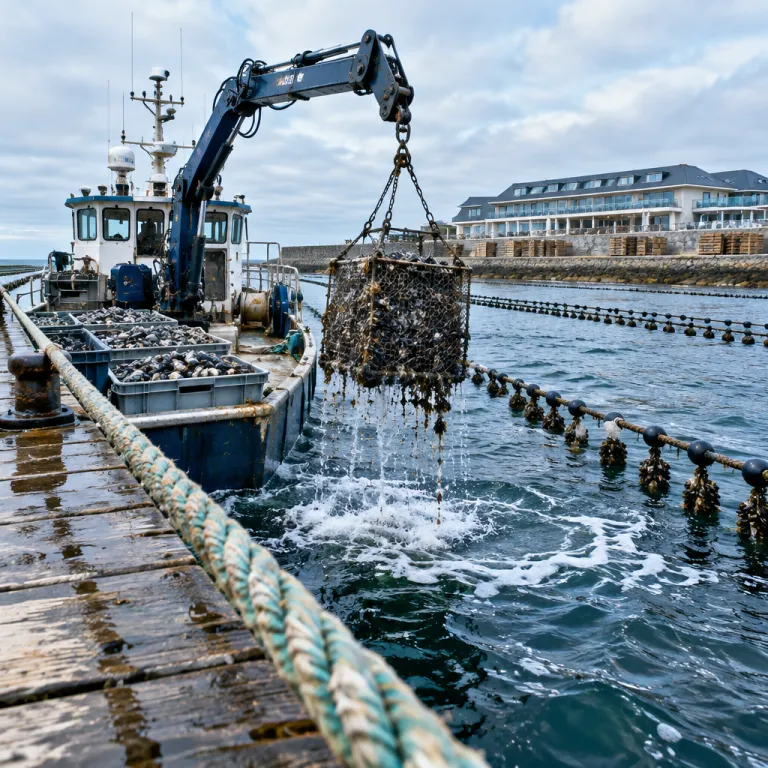
The North Sea as larder for Dutch luxury hotel kitchens
North Sea seafood shapes Dutch fine dining in ways you taste before you see. In luxury hotels along the coast and in Amsterdam, chefs treat the sea as a larder, turning oysters, mussels and delicate seafood into quietly confident statements on the plate. For a solo traveler planning a stay, this means your room key often unlocks a dining room where the story of the north sea is served course by course.
From Zeeland’s mussel beds to Texel’s fish auctions, the supply chain for seafood is short, transparent and obsessively monitored. That proximity lets chefs specify not just the species of fish, but the exact north sea sandbank or estuary where it was caught, which gives north sea seafood Dutch fine dining a sense of place that rivals any inland terroir. When you sit down in a star restaurant inside a coastal hotel, the first course might be raw fish dressed with seaweed oil, followed by a main course of slowly cooked turbot, both served with vegetables grown within 50 kilometres.
Amsterdam hotels now compete seriously with coastal properties for access to the best seafood. In a high floor restaurant Amsterdam guests might eat amsterdam seafood landed that same morning in IJmuiden, while watching the north side of the city light up at dusk. These restaurants Amsterdam wide often balance one fine dining room with a more casual restaurant on the ground floor, so you can choose between a long tasting menu or a simple course meal of grilled fish and a single dessert.
From research lab to restaurant: how innovation reaches your plate
The Netherlands treats food production as a science, and that mindset now defines north sea seafood Dutch fine dining. Universities and research institutes work with aquaculture producers on seaweed cultivation, shellfish breeding and low impact fish farming, then hotel chefs translate those données into menus that feel both luxurious and responsible. When you book a room in a serious culinary hotel, you are effectively reserving a seat at the front row of this research led dining experiment.
In Amsterdam, the most interesting restaurant Amsterdam side projects often start with a chef visiting a seaweed test farm or a mussel hatchery. Back in the city, that research becomes a tasting menu where each course highlights a different innovation, from kelp based sauces to delicate seafood cured in seawater brine, all cooked with precision and served with a thoughtful wine pairing. Properties in the Oud Zuid neighbourhood lean into this narrative, pairing calm rooms with a dining room that feels like a laboratory of flavour rather than a stage set.
If you value design as much as food, look at how some Dutch design focused hotels integrate these ideas into both plate and space. One well known example is explored in this guide to refined city stays in Amsterdam, where the restaurant uses north sea fish and seaweed to mirror the clean lines of the interiors. In such places, the wine list often reads like a research paper, with notes on provenance, sustainability and the exact north sea zones where seafood was harvested, turning each course meal into a quietly educational experience.
Coastal sourcing, hotel identity and the new Dutch table
Luxury hotels along the Dutch coast now build their entire identity around north sea seafood Dutch fine dining. A property in Zeeland might offer a star restaurant where every main course features shellfish from nearby beds, while a more casual restaurant in the same building serves mussel pots and simply cooked fish to guests returning from the dunes. For solo travelers, this means you can arrive late, drop your bag in the room and still eat seafood that reflects the exact stretch of coast outside your window.
In these hotels, the dining room often faces the water, so you watch fishing boats return while your first course is served. Menus tend to be short and focused, with a tasting menu that changes weekly based on what the north sea yields, plus a concise à la carte for those who prefer to choose their own course structure. A well trained équipe guides you through wine pairing options, suggesting crisp whites with delicate seafood starters and deeper reds for richer cooked fish or meat dishes.
Back in Amsterdam, neighbourhood identity matters just as much as coastal proximity. In Oud Zuid, for example, some restaurants Amsterdam wide lean into understated luxury, offering fine dining that feels residential rather than theatrical, with north sea seafood appearing in both the star restaurant and the more relaxed bar menu. Food focused travelers should track the country’s growing calendar of culinary events, as highlighted in this overview of the Netherlands as a culinary destination, then align hotel bookings with festivals that spotlight north sea producers.
How to book a stay around North Sea seafood experiences
Planning a trip around north sea seafood Dutch fine dining starts with reading hotel restaurant pages as carefully as you read room descriptions. Look for properties where the chef names specific north sea suppliers, explains how seafood is served across different course formats and offers both a tasting menu and a shorter course meal. When a hotel highlights its amsterdam seafood connections or coastal partnerships, you can expect a menu that changes with the tides rather than the tourist seasons.
For a first night in Amsterdam, choose a restaurant Amsterdam option inside your hotel for ease, then branch out to other restaurants Amsterdam wide once you understand the local style. Many luxury properties in the Oud Zuid neighbourhood offer packages that include a multi course dinner, wine pairing and late checkout, which suits solo travelers who want to focus on food rather than logistics. Ask whether the dining room can adapt the tasting menu into a shorter main course plus dessert format if you prefer a lighter evening.
When comparing hotels, pay attention to how they describe their dining spaces. A true fine dining room will mention a curated wine list, a structured course progression and details such as house made ice cream or a signature dessert that anchors the finish meal. More casual restaurants may still serve top notch seafood, but the emphasis will be on flexibility, with guests able to order a single cooked fish dish or a bowl of delicate seafood with puree coconut on the side, rather than committing to a full three stars style experience.
What to expect on the plate: from tasting menus to ice cream
Sitting down to north sea seafood Dutch fine dining in a Dutch hotel, you can expect a clear narrative from first bite to last spoonful. A typical tasting menu might open with raw or lightly cooked fish, followed by a warm seafood course, a vegetable focused main course and a dessert that references the coast through salt, sea herbs or citrus. Even in a casual restaurant setting, chefs increasingly structure meals so that each course feels intentional rather than improvised.
In a star restaurant with one or more Michelin star distinctions, the dining room choreography becomes part of the experience. Staff explain where each element was sourced, how the north sea shaped the flavour of the fish and why a particular wine pairing was chosen from the wine list, which turns dinner into a quiet masterclass. Some three stars level kitchens in the country use techniques such as seaweed infusions, smoked mussel broths and puree coconut to add depth to delicate seafood without overwhelming its natural sweetness.
Dessert in these settings is rarely an afterthought. Expect house churned ice cream flavoured with coastal herbs, citrus or even subtle sea salt, often served alongside intricate pastries that echo the textures of shells and sand. The finish meal moment matters in Dutch hospitality, so whether you are in Amsterdam or a smaller north sea town, the final course is designed to send you back to your room feeling that the food, the room and the surrounding neighbourhood all spoke the same quiet, confident language.
Design, sustainability and the future of sea focused hotel dining
The most forward looking Dutch hotels treat north sea seafood Dutch fine dining as part of a broader design and sustainability philosophy. Architecture, interiors and menus all reference the same coastal landscape, from muted sand tones in the room to seaweed inspired ceramics in the dining room. For travelers who care about aesthetics, this alignment makes the transition from lobby to restaurant feel seamless and intentional.
Many of these properties work with local producers to reduce transport distances and support low impact aquaculture. That might mean partnering with a single north sea mussel farmer, featuring one amsterdam seafood supplier across all restaurants on site or building a menu around fish species that are abundant rather than fashionable. If you are interested in how Dutch design thinking shapes hospitality, this feature on Dutch design hotels shows how minimalism extends from furniture to food, especially in the way seafood is cooked and served.
Looking ahead, expect more hotels to blur the line between research lab and restaurant. Chefs will collaborate even more closely with scientists on topics such as seaweed based proteins, regenerative shellfish farming and new ways to age fish for flavour without waste, all of which will filter into tasting menu formats and casual dining alike. For the solo explorer, that means each stay becomes a chance to taste the future of the north sea, one carefully structured course at a time.
FAQ
How can I tell if a Dutch hotel really focuses on North Sea seafood ?
Look for hotels that name specific North Sea suppliers, explain how seafood is served across different course formats and update their menu frequently based on seasonal catches. Serious properties highlight shellfish beds, fish auctions or seaweed farms they work with, rather than using generic terms like “fresh seafood”. If the restaurant offers both a tasting menu and a flexible course meal built around fish, you are likely in the right place.
Is North Sea seafood in Dutch fine dining considered sustainable ?
Many Dutch chefs work closely with certified fisheries and aquaculture projects that follow strict sustainability standards. Shellfish such as mussels and oysters, along with seaweed, are generally low impact proteins that fit well with the country’s research driven approach to food. When in doubt, ask the restaurant about certifications and how they choose which species of fish to feature as a main course.
Do I need to book Michelin level restaurants to enjoy good seafood in Dutch hotels ?
Not at all, because many hotel restaurants without a Michelin star still serve excellent North Sea fish and shellfish. A casual dining room can offer top notch seafood, especially if the hotel is close to the coast or works with strong suppliers in Amsterdam. Michelin star properties add theatre and complexity, but you can eat very well in simpler settings.
What is a typical structure of a North Sea focused tasting menu ?
A common structure starts with raw or lightly cured seafood, moves into a warm fish course, then a vegetable or grain based main course and finally a dessert that references coastal flavours. Some chefs add an extra course featuring shellfish or seaweed to highlight specific producers. Expect around six to eight courses in fine dining hotels, with optional wine pairing to match.
Which Dutch regions are best for a seafood centered hotel stay ?
Zeeland is renowned for its mussels and oysters, while the Wadden Islands and the North Holland coast offer strong access to North Sea fish. Amsterdam is also a smart base, because its luxury hotels tap into multiple coastal supply lines and offer a wide range of restaurants. Choosing between them depends on whether you prefer a quiet coastal town or a city neighbourhood with more dining variety.