Dutch spa hotel bathing culture: how to choose thermen, hotels, and textile-free days
Reading the Dutch spa hotel landscape beyond Amsterdam
Most travelers land in Amsterdam, book a design hotel, and never encounter the broader Dutch spa hotel bathing culture. Serious wellness in the Netherlands lives in thermen resorts and lakeside retreats, not only in city towers with a compact pool and a token steam room. Understanding that shift changes how you choose a wellness hotel and how deeply you engage with Dutch bathing rituals.
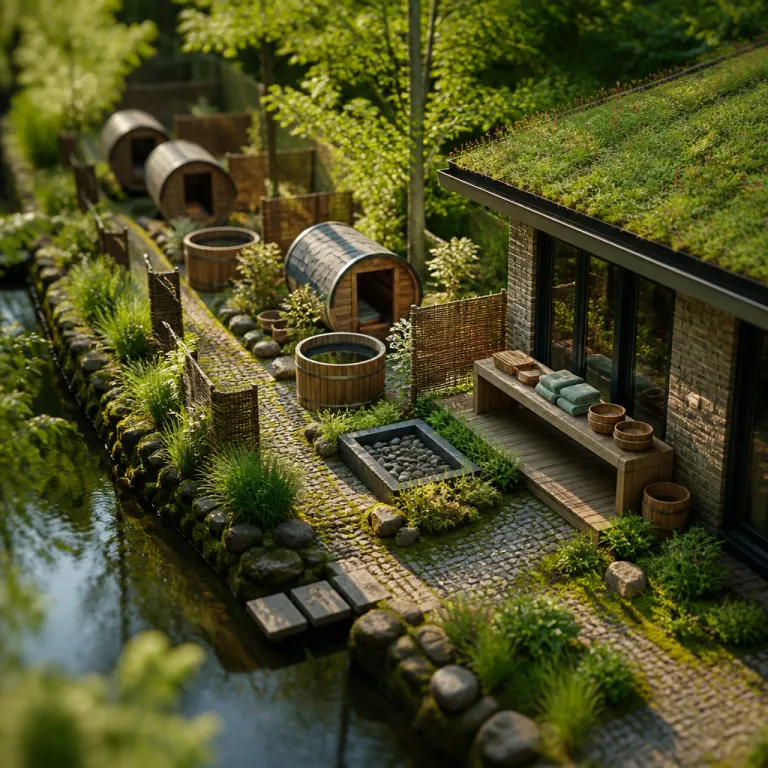
Across the Netherlands, dedicated spa and thermen properties treat water as architecture, using lakes, canals, and reclaimed polders as extensions of the wellness journey. These resorts build saunas and steam bath pavilions that frame reed beds and forest edges, so every sauna session feels anchored in the landscape rather than sealed inside a basement. For solo explorers, that connection to nature makes each wellness experience feel both intimate and quietly social.
On mynetherlandsstay.com, the focus is on luxury and premium hotel choices where spa culture is not an afterthought but the core narrative. Each hotel or resort is assessed on details such as textile-free policies, Aufguss rituals, and whether the indoor pool is a genuine lap space or just decorative. That level of scrutiny matters when you are going sauna hopping across the country and want Dutch spa resorts that live up to their reputation.
City properties like Hotel Okura Amsterdam and Conservatorium’s Akasha Holistic Wellbeing Centre offer refined, urban wellness with Japanese Dutch influences. Their saunas, pools, and steam rooms suit travelers who want treatments between meetings, yet they rarely match the thermal depth of a full thermen resort. For a first trip, combining a hotel Amsterdam stay with one or two nights at a countryside spa resort gives you both cultural immersion and serious heat therapy without overloading your schedule.
Textile free norms, rituals, and how Dutch spas differ
The defining shock for many visitors is that Dutch sauna culture is usually textile free. In the Netherlands, mixed gender nude days are standard at many thermen, and swimwear is often limited to specific textile days clearly listed on each spa website. That norm is not about exhibitionism; it is about hygiene, equality, and a very Dutch directness around bodies.
Official guidance from local operators is refreshingly clear. Typical FAQ sections on Dutch spa websites state that many wellness resorts have a nude policy in sauna areas, that swimwear is allowed only on designated textile days, and that guests are expected to bring a towel and bathrobe. A representative example from a major Dutch thermen chain states that “for hygienic reasons, saunas are visited without swimwear; on textile days, swimwear is mandatory in all facilities.” These real world rules shape how you pack, how you move between sauna and pool, and how relaxed you feel during your first visit. Once you understand the etiquette, visiting several wellness resorts across the Netherlands becomes less intimidating and far more rewarding.
Compared with German Therme complexes, Dutch sauna resorts feel slightly less ritualistic yet more playful, with themed steam bath cabins, cinema saunas, and outdoor pools cut into dunes or forests. Nordic traditions lean on extreme cold plunges and stark timber rooms, while a typical Dutch sauna beauty program might pair a gentle Aufguss with a scrub, a mask, and a quiet nap in a waterbed relaxation room. Aufguss ceremonies here are social but not theatrical; you sit in silence, breathe the scented steam, and share a collective reset without small talk.
In Amsterdam, Spa Sport Hotel Zuiver on the edge of the Amsterdamse Bos shows how urban Dutch sauna culture can feel both local and polished. This hotel and spa complex combines serious thermen facilities, a generous indoor pool, and outdoor saunas with direct forest views, making it ideal for solo travelers who want to enjoy a full day of wellness without leaving the city. A detailed review of refined wellness, sport, and stay on the edge of the forest explains why its saunas and steam rooms feel closer to a countryside resort than a typical hotel spa.
Fortress thermen and landscape led design
Leave Amsterdam and the Dutch spa hotel bathing culture becomes inseparable from water management and defensive history. Fort Resort Beemster, housed in a UNESCO World Heritage fortress north of the city, is the clearest example of how thermen design can reinterpret old military architecture. Thick walls now shelter saunas, steam baths, and relaxation rooms, while moats and canals frame outdoor pools and hot tubs.
This fort resort uses the surrounding polder landscape as a stage, with saunas facing reed fringed water and fire pits glowing against low, misty fields. The result is a resort Beemster stay where every transition from sauna to cold plunge feels choreographed by the Dutch climate itself. For solo travelers, walking the ramparts between sessions becomes part of the wellness experience, a quiet loop above the water that resets your senses.
An in depth feature on sleeping inside a UNESCO fortress turned wellness sanctuary breaks down how this hotel thermen hybrid balances heritage and comfort. Rooms come with free WiFi and calm, minimalist interiors, while the spa side delivers multiple saunas, a generous indoor pool, and carefully timed Aufguss rituals. Here, the line between hotel and thermen resort blurs; you sleep inside the story you have been bathing in all day.
Elsewhere in the Netherlands, properties like Thermen Bussloo and Thermen Berendonck also lean into landscape integration. Thermen Bussloo, near Apeldoorn, wraps its saunas and pools around a natural lake, while Thermen Berendonck plays with themed sauna worlds and water features that feel almost theatrical. Both show how Dutch sauna designers use views, light, and water to turn a simple steam session into a layered, all day journey.
Signature Dutch spa destinations and how to choose them
For travelers building an itinerary, the question is not whether to include a Dutch sauna stay, but which thermen or hotel to prioritize. Thermen Bussloo suits guests who want a full scale resort with extensive saunas, multiple pools, and a strong program of rituals, while Thermen Berendonck appeals to those who enjoy themed spaces and a slightly more playful atmosphere. Both are ideal if you want to enjoy a multi day wellness experience rather than a quick afternoon visit.
In the north, Thermen Bad Nieuweschans near the German border offers mineral rich thermal water and a quieter, almost clinical approach to wellness. This thermen bad complex attracts guests who value health benefits and calm over spectacle, making it a strong choice for solo travelers seeking deep rest. The surrounding flat landscapes and big skies add to the sense of space, especially when you move between indoor pool and outdoor baths in cooler seasons.
Closer to Amsterdam, Fort Resort Beemster and other countryside properties near Den Ilp give you easy access to the capital without sacrificing immersion in Dutch spa hotel bathing culture. A stay at a hotel Amsterdam property such as Okura or Conservatorium can then be paired with a night at a dedicated resort Beemster style retreat for contrast. This combination lets you compare city spa beauty menus with the more expansive sauna beauty programs found at full thermen resorts.
When evaluating options on a booking website, look beyond glossy images of a single pool or steam room. Check whether the property lists multiple saunas, clear textile policies, and thoughtful on site dining options that support a full day of wellness without leaving the resort. If a hotel thermen complex mentions Aufguss schedules, couples rituals, and quiet zones, you are likely looking at a serious wellness destination rather than a token spa corner.
Practical etiquette, couples rituals, and solo friendly details
Etiquette in Dutch spa spaces is straightforward once you understand the basics. You always sit on your towel in the sauna, you shower between heat sessions and pool dips, and you keep conversation low key in relaxation rooms. Bringing your own towel and bathrobe is standard, though many resorts offer rental sets for a small fee.
Mixed gender, textile free days are common, and the Netherlands now counts dozens of naturist oriented spas, so checking each spa’s website before booking is essential. Some properties schedule specific textile days when swimwear is allowed, which can be more comfortable if you are new to Dutch sauna norms. Solo travelers often find that the quiet, rule based environment feels surprisingly safe and egalitarian, especially compared with more performative beach club scenes.
Couples treatments and duo sauna rituals are growing fast, with many resorts offering private suites that combine a small sauna, steam bath, and water bed for two. These spaces sit alongside larger communal saunas, so you can move between shared heat sessions and more intimate time without leaving the wellness wing. For solo guests, the same properties usually provide silent zones and reading rooms, making it easy to enjoy the resort without feeling out of place.
Details such as free WiFi in relaxation lounges, light on site dining with seasonal dishes, and clear signage in English all contribute to a smoother experience. When a hotel or resort invests in these touches, it signals a guest centric approach that aligns with the best of Dutch spa hotel bathing culture. That is the standard used when curating properties on mynetherlandsstay.com, whether they sit in Amsterdam, near Den Ilp, or beside a quiet lake in Gelderland.
Linking spa stays with wider Dutch travel and gastronomy
Planning a wellness focused trip in the Netherlands works best when you weave spa days between cultural and culinary stops. A few nights in Amsterdam with one serious spa day at a place like Spa Sport Hotel Zuiver or Akasha can anchor the urban part of your journey. From there, shifting to a thermen resort such as Thermen Bussloo or Fort Resort Beemster lets your body catch up with your sightseeing.
Food matters as much as saunas in this equation, because heavy meals can dull the benefits of heat and cold cycles. Many top resorts now align their on site dining with wellness, offering lighter menus, good vegetarian options, and careful pacing between courses so you can return to the pool or steam room without feeling sluggish. When a resort’s restaurant takes local produce seriously, the entire experience feels more rooted in Dutch terroir rather than generic spa cuisine.
Beyond the Randstad, regions like Zeeland and the Wadden Islands pair naturally with slow travel and spa days. A stay on Texel, for example, can combine long beach walks, visits to Spa Woolness with its outdoor saunas, and quietly ambitious dining that reflects the North Sea larder. A feature on Zeeland’s quiet culinary rise shows how easily you can link coastal gastronomy with inland thermen stays.
For solo explorers, this rhythm of city, spa, and countryside creates a narrative that goes far beyond a standard Amsterdam weekend. You move from canal side museums to lakeside saunas, from Michelin starred counters to simple, well cooked on site dining at a thermen resort. That is where Dutch spa hotel bathing culture stops being a novelty and becomes a lens through which you understand the country’s relationship with water, space, and calm.
FAQ
Are Dutch spas typically nude and mixed gender ?
Many Dutch spas operate as mixed gender, textile free spaces on most days, especially in the sauna areas. Swimwear is often allowed only on designated textile days, which are clearly listed on each spa’s website. Checking the policy before booking helps you choose a resort that matches your comfort level.
Do I need to bring my own towel and bathrobe to a Dutch spa ?
Guests are usually expected to bring a large towel for sitting in the sauna and a bathrobe for moving between facilities. Most thermen and spa hotels offer rental sets for a fee if you prefer to travel light. Bringing flip flops is also recommended, as many resorts require them for hygiene reasons.
Can I wear a swimsuit in Dutch saunas and pools ?
Swimsuits are normally required in pools but not in saunas on nude days, where textile free use is the norm. On textile days, you can wear swimwear in both pools and saunas, which some first time visitors find more comfortable. Always follow the signage on site, as staff enforce these rules to maintain hygiene and guest comfort.
How do Dutch spa resorts differ from city hotel spas ?
Dedicated thermen resorts usually offer multiple saunas, extensive pools, outdoor bathing areas, and full day wellness programs. City hotel spas tend to be smaller, with fewer heat experiences and more focus on treatments than on ritual bathing. For deep immersion in Dutch spa hotel bathing culture, a thermen resort stay is generally more rewarding.
Is visiting a Dutch spa comfortable for solo travelers ?
Solo guests are common in Dutch spa resorts, and the clear etiquette makes the environment feel structured and safe. Quiet zones, reading rooms, and communal rituals like Aufguss sessions allow you to participate without forced socializing. Choosing a resort with clear English information and thoughtful facilities helps first time solo visitors feel at ease.